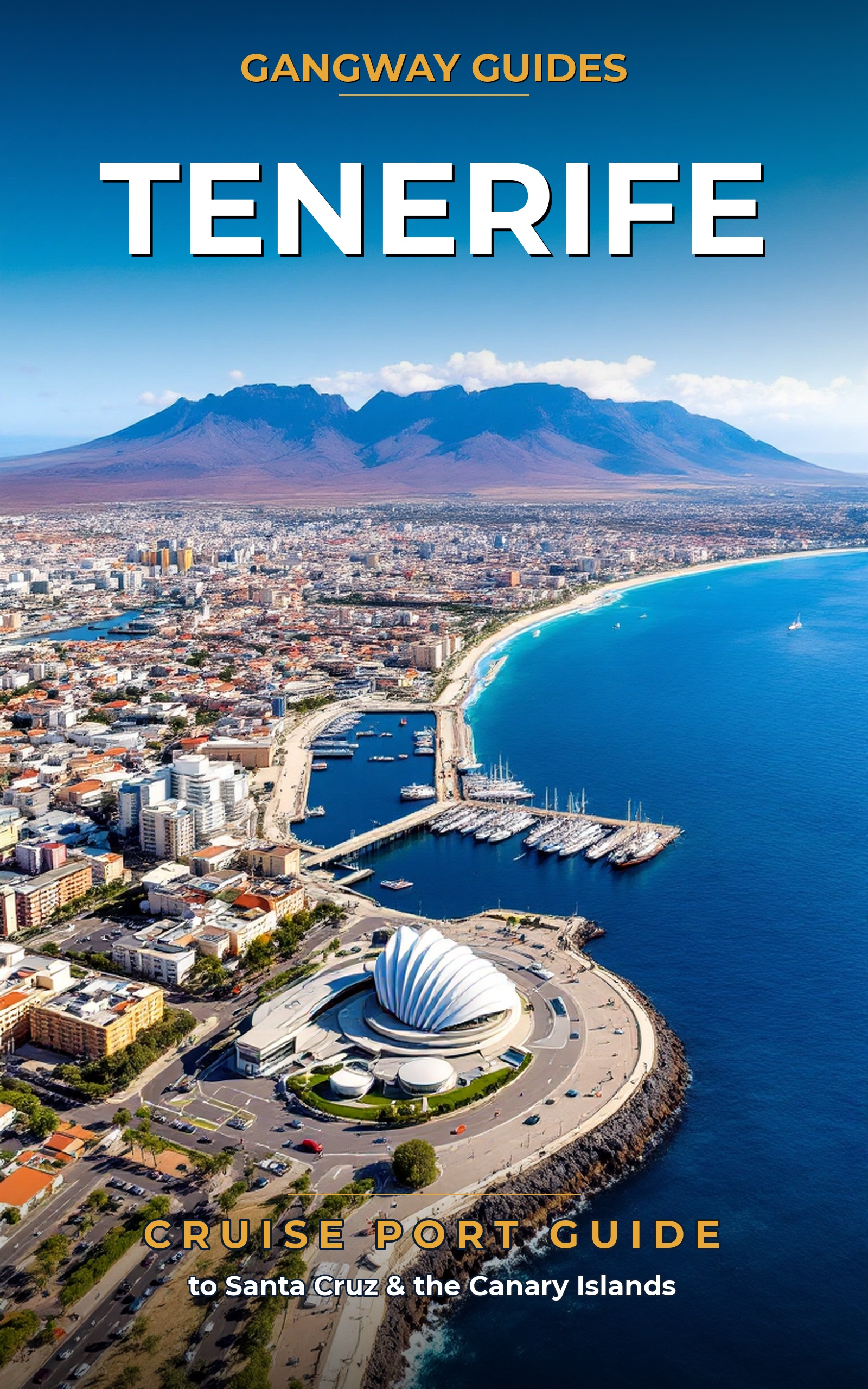
Tenerife Cruise Port: Santa Cruz, La Laguna, or Mount Teide?
Tenerife is bigger than it looks from the pier. Choose Santa Cruz, La Laguna, Anaga, beach time, or Teide before you leave the cruise terminal.
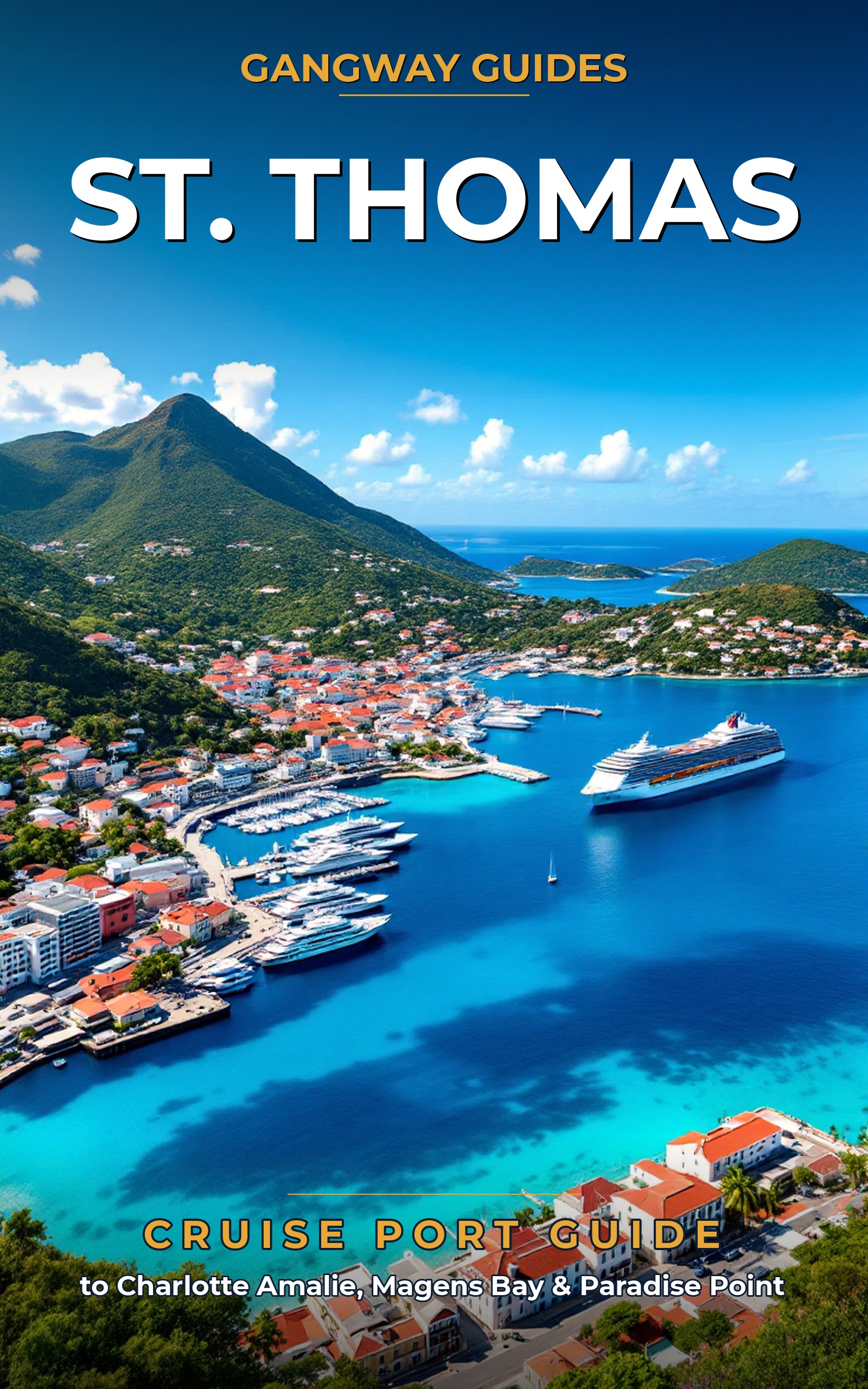
St. Thomas Cruise Port: Havensight, Crown Bay, or Magens Bay?
St. Thomas is not one fixed cruise-port start. Havensight and Crown Bay change the first move, so confirm the dock before choosing shopping, beach, viewpoint, or St. John.
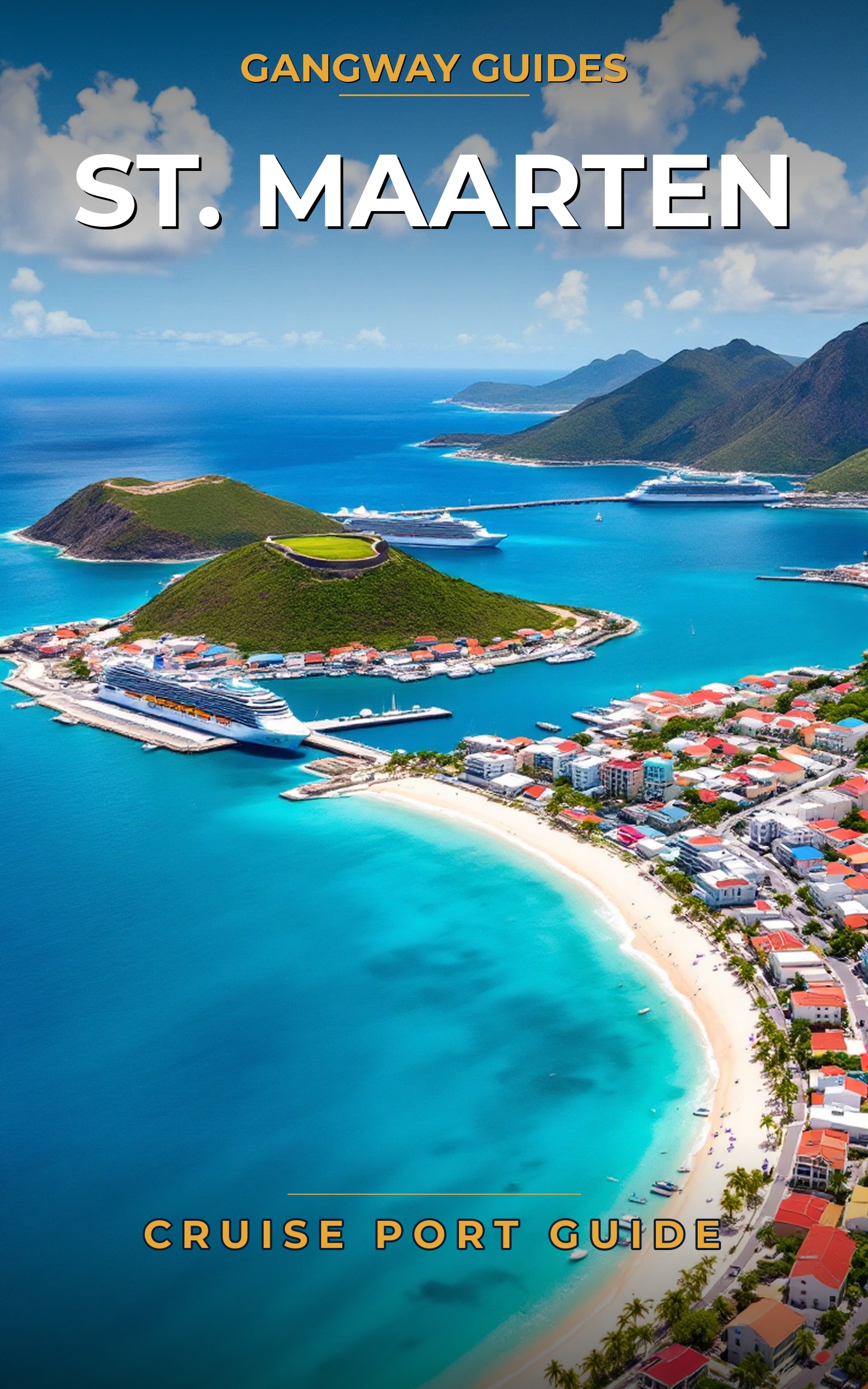
St. Maarten Cruise Port: Philipsburg, Great Bay, or Maho Beach?
St. Maarten is easy to start and easy to overextend. Decide whether your day is Philipsburg, Great Bay, Maho Beach, or a longer island loop before you leave the terminal.
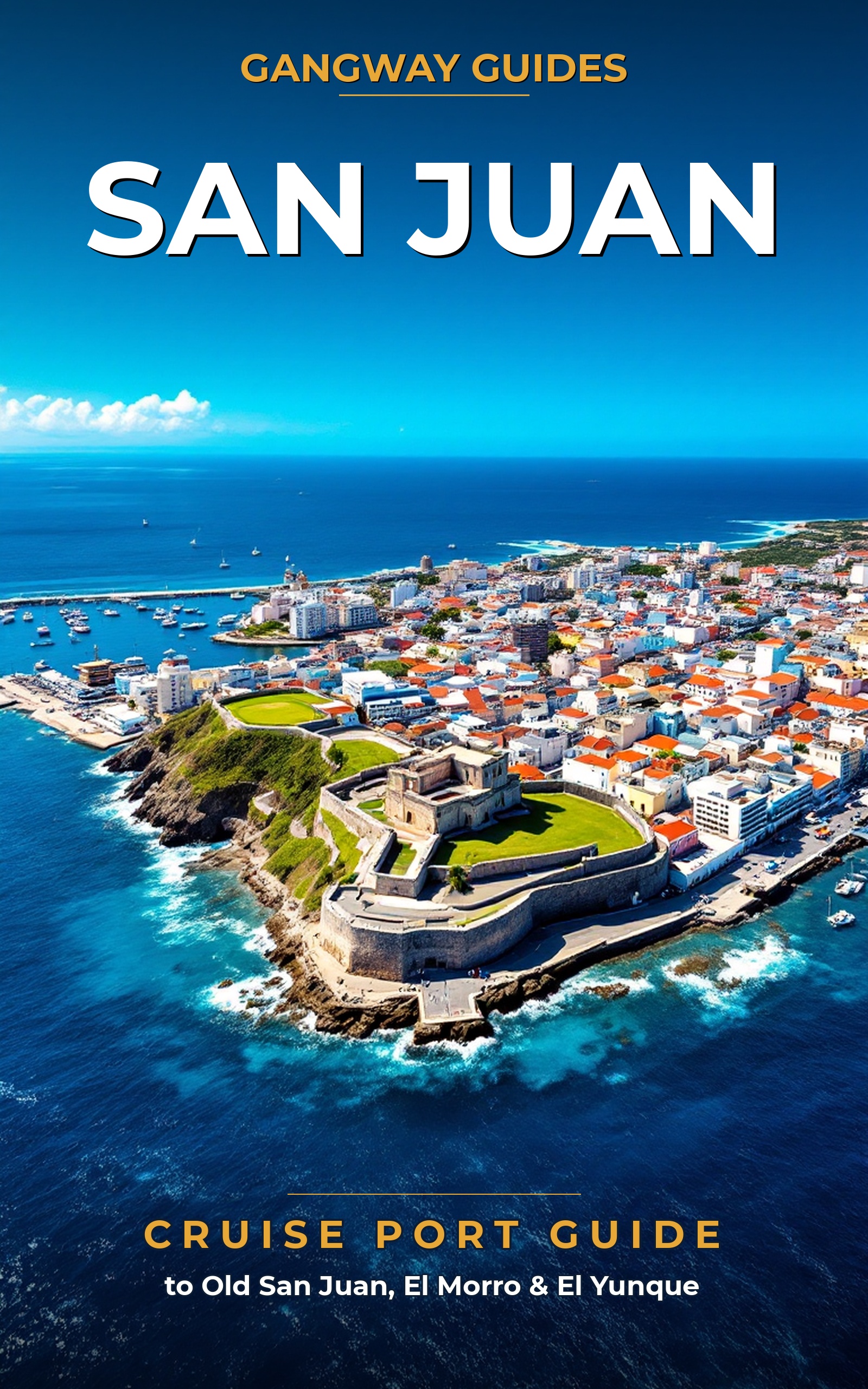
San Juan Cruise Port: Old San Juan, Forts, or Beach Time?
San Juan is one of the Caribbean’s best walkable cruise calls, but pier assignment matters. Build the day around Old San Juan first, then add forts, food, or beach time.
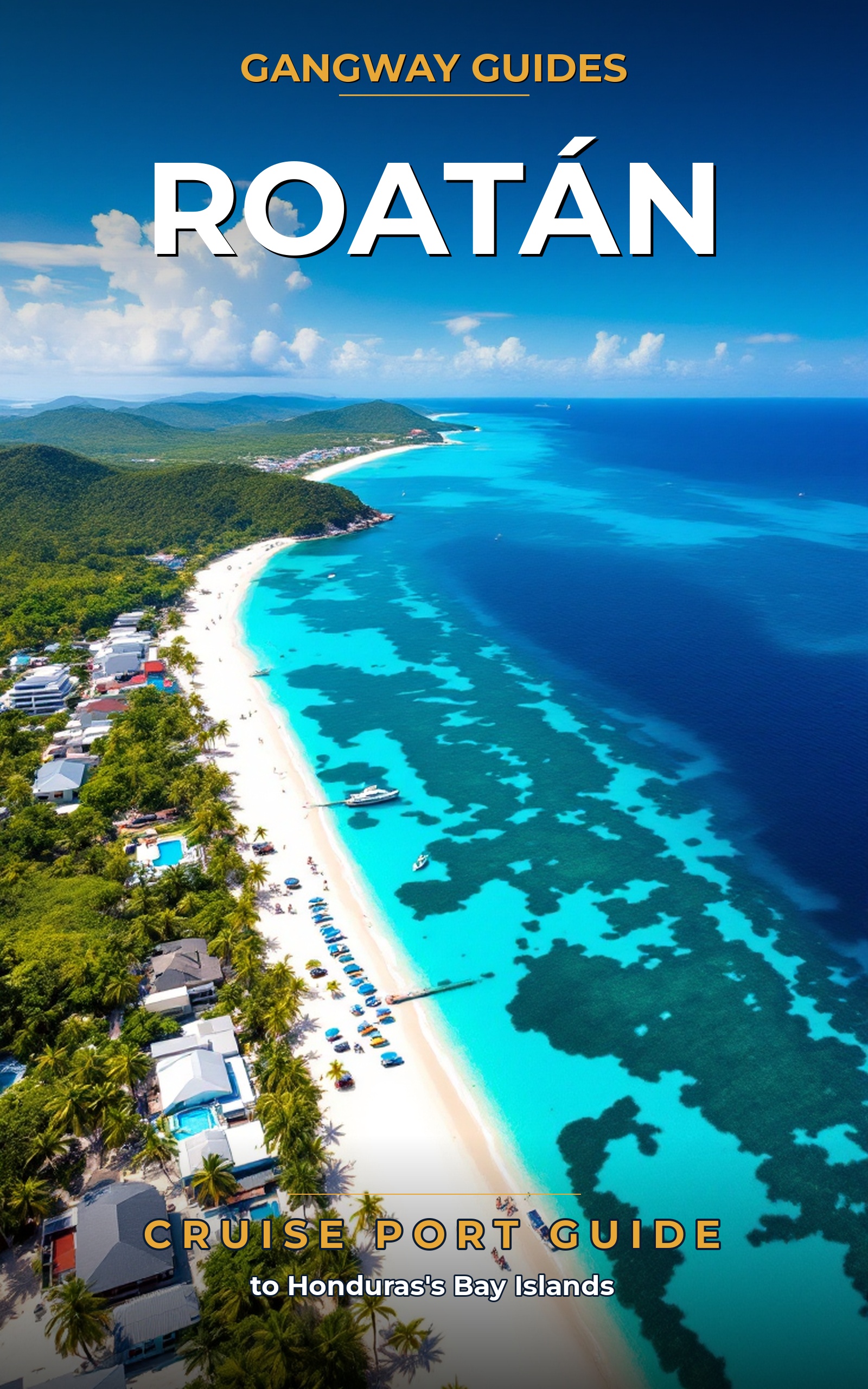
Roatan Cruise Port: Coxen Hole, Mahogany Bay, or West Bay?
Roatan has two major cruise-port starting points, and that changes everything. Confirm the dock first, then choose beach, reef, wildlife, or port-area time.
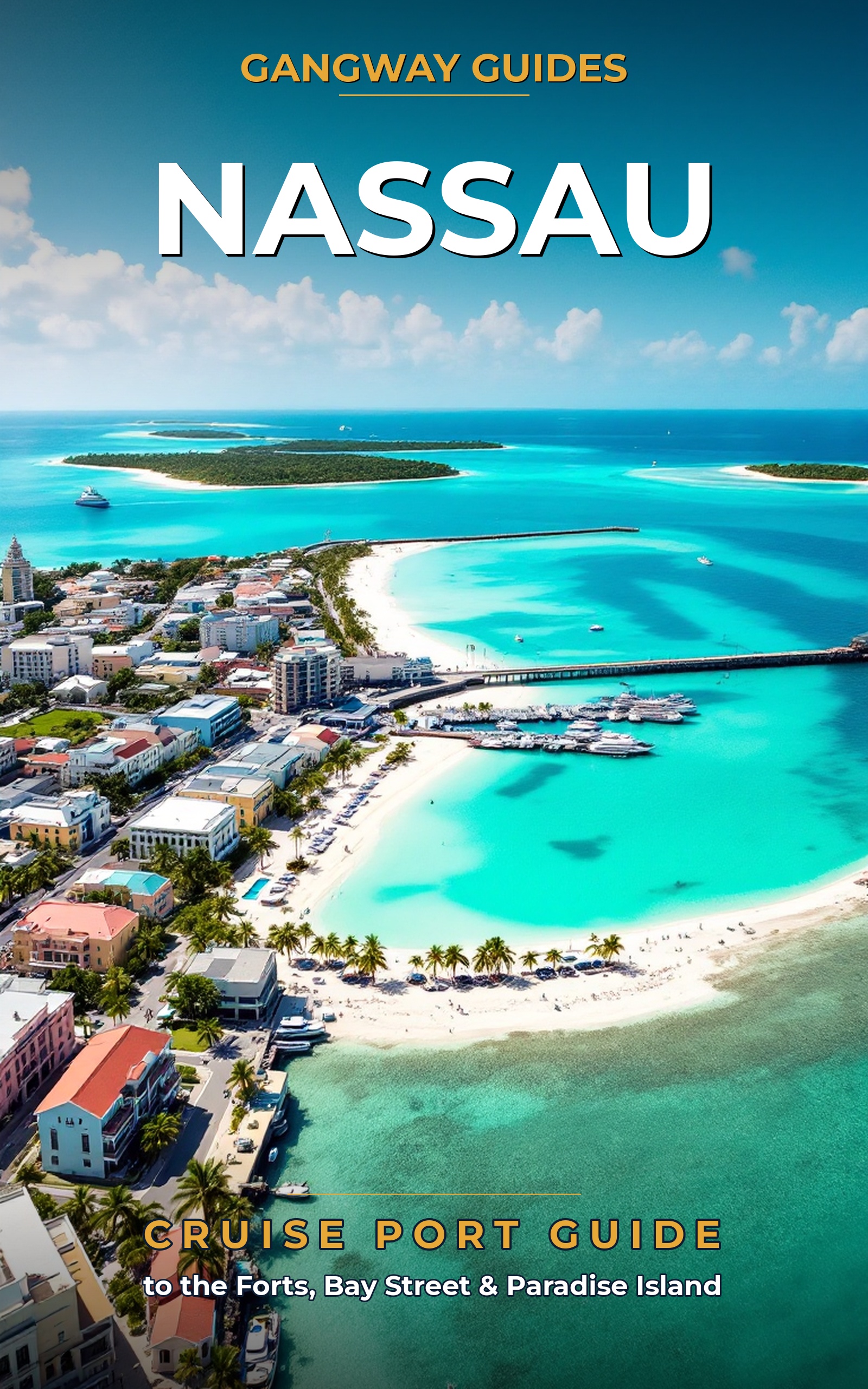
Nassau Cruise Port: Downtown, Junkanoo Beach, or Paradise Island?
Nassau looks easy from the ship, but the day works better when you choose one clear lane: downtown, beach, or Paradise Island. Here is how to decide.
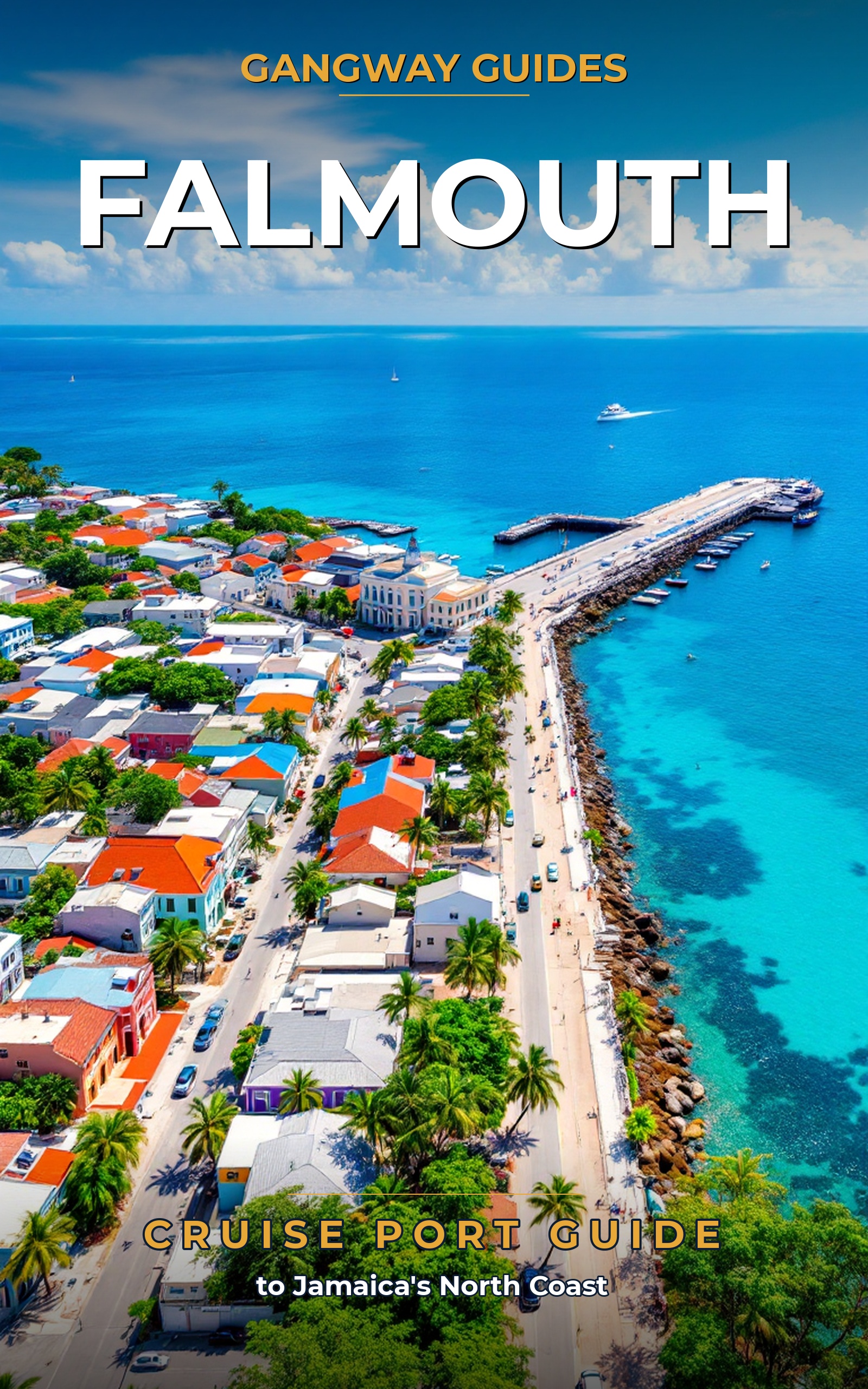
Falmouth Cruise Port: Stay Local or Book a Tour?
Falmouth sits between Montego Bay and Ocho Rios, which makes it tempting and risky. The right day depends on whether you stay local or commit to organized transport.
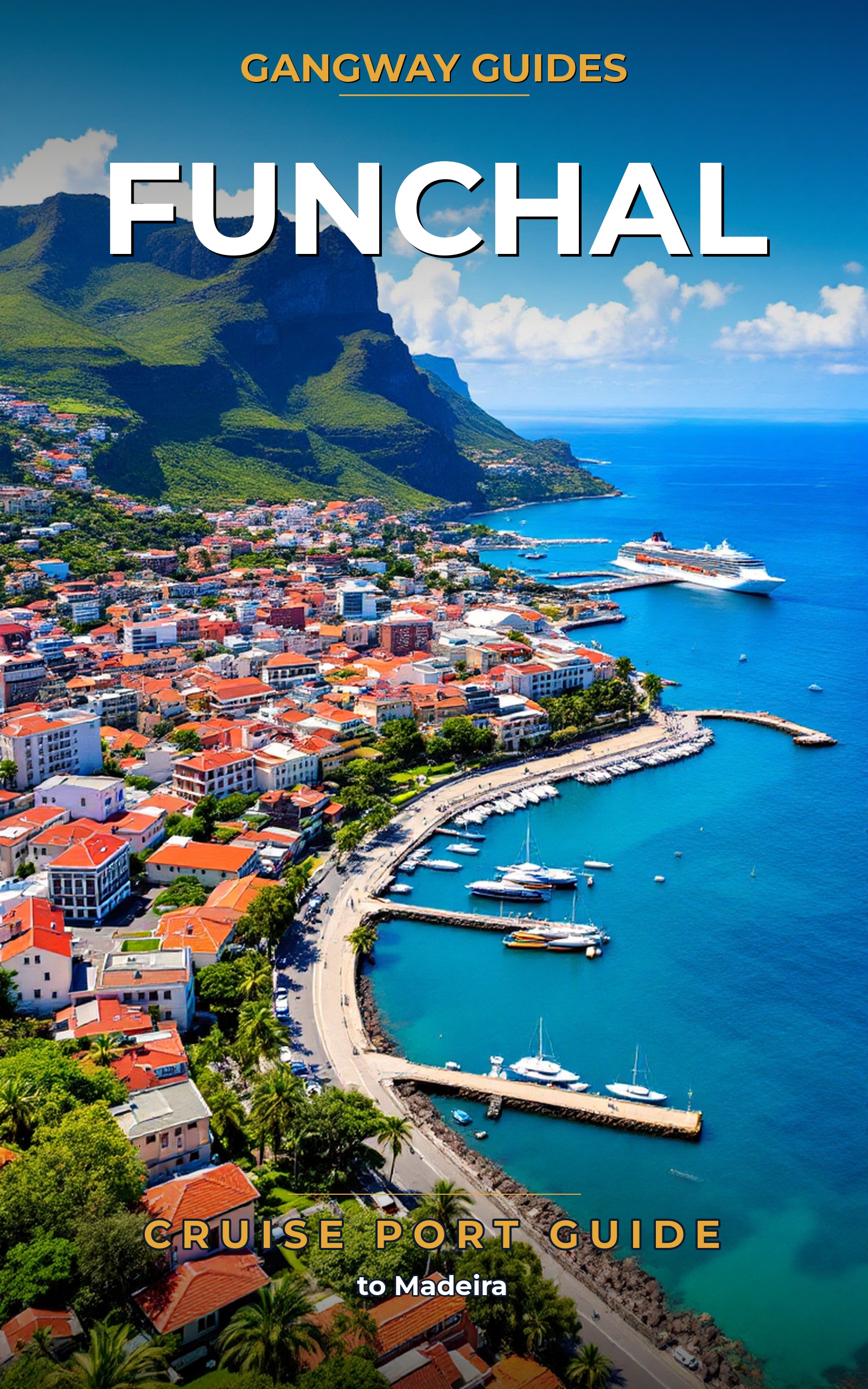
Funchal Cruise Port: City, Monte, or Island Tour?
Funchal feels close to the ship, but Madeira is steep. Pick a city-first route, Monte plan, or island tour before the hills and viewpoints compete for your day.
Grand Cayman Tender Port: Seven Mile Beach Plan
Grand Cayman is a tender port, so the beach day starts with timing. Build around George Town, Seven Mile Beach, or a pre-booked tour with tender buffers.
Grand Turk Cruise Center: Beach or Island Loop?
Grand Turk is one of the easiest docked beach ports, with a short walk to the cruise center. The choice is whether to enjoy that ease or leave for a wider island loop.
Koper Cruise Port: Old Town, Piran, or Slovenia Tour?
Koper is one of the easiest Adriatic ports for a city-first day, with the cruise terminal just 200 m from the old city center. Longer Slovenia trips need a different plan.
Lisbon Cruise Port: Walk Alfama or Go to Belem?
Lisbon looks easy from the cruise terminal, and it can be. The trick is choosing between a close-in Alfama day and a transit-first Belem plan before the hills and tram lines start eating your port hours.
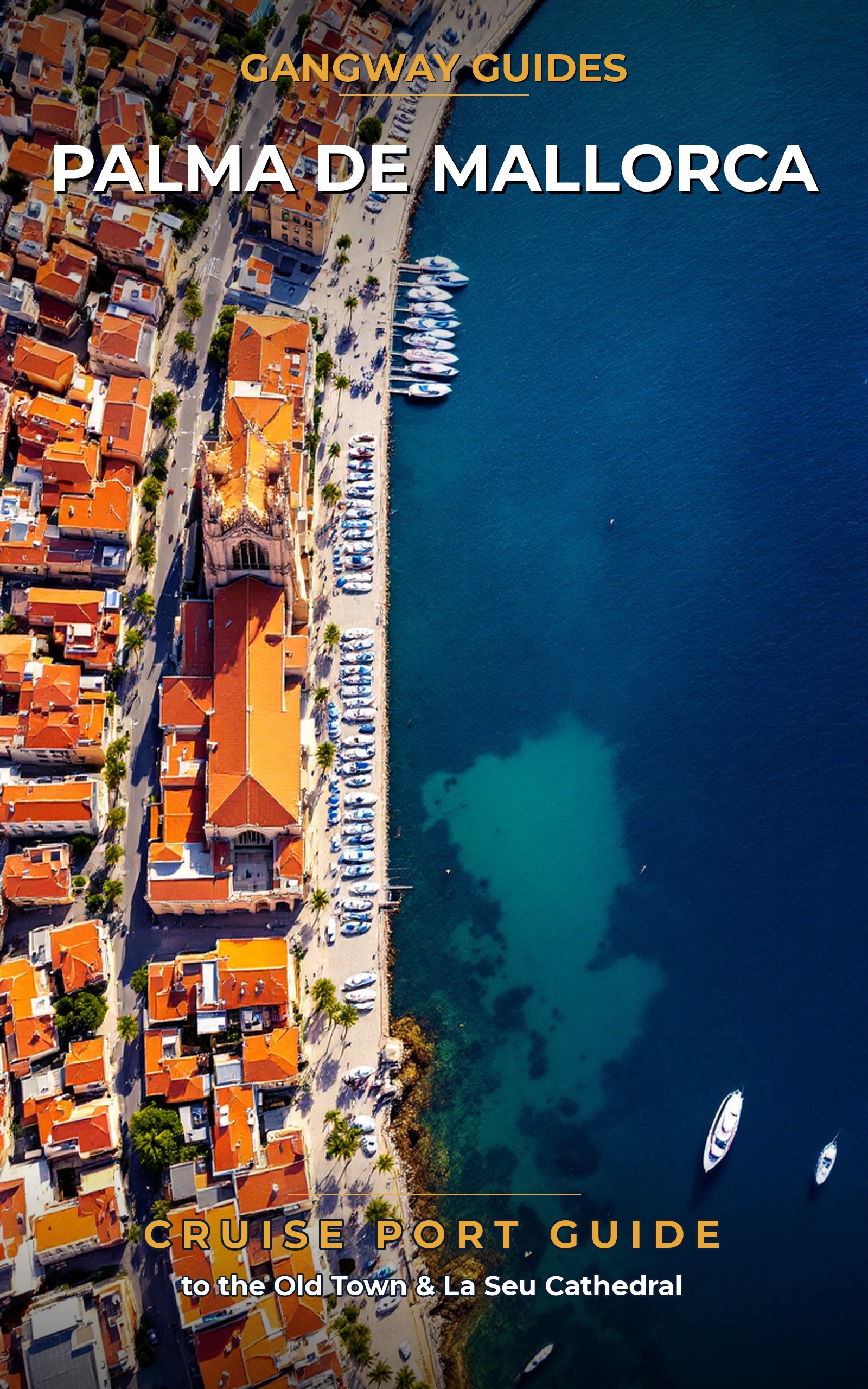
Palma Cruise Port to Old Town: Cathedral Day Plan
Palma is city-facing, beautiful, and easy to underestimate. The port sits in front of the old streets, but its cruise areas are spread out, so your first move should be terminal-aware.
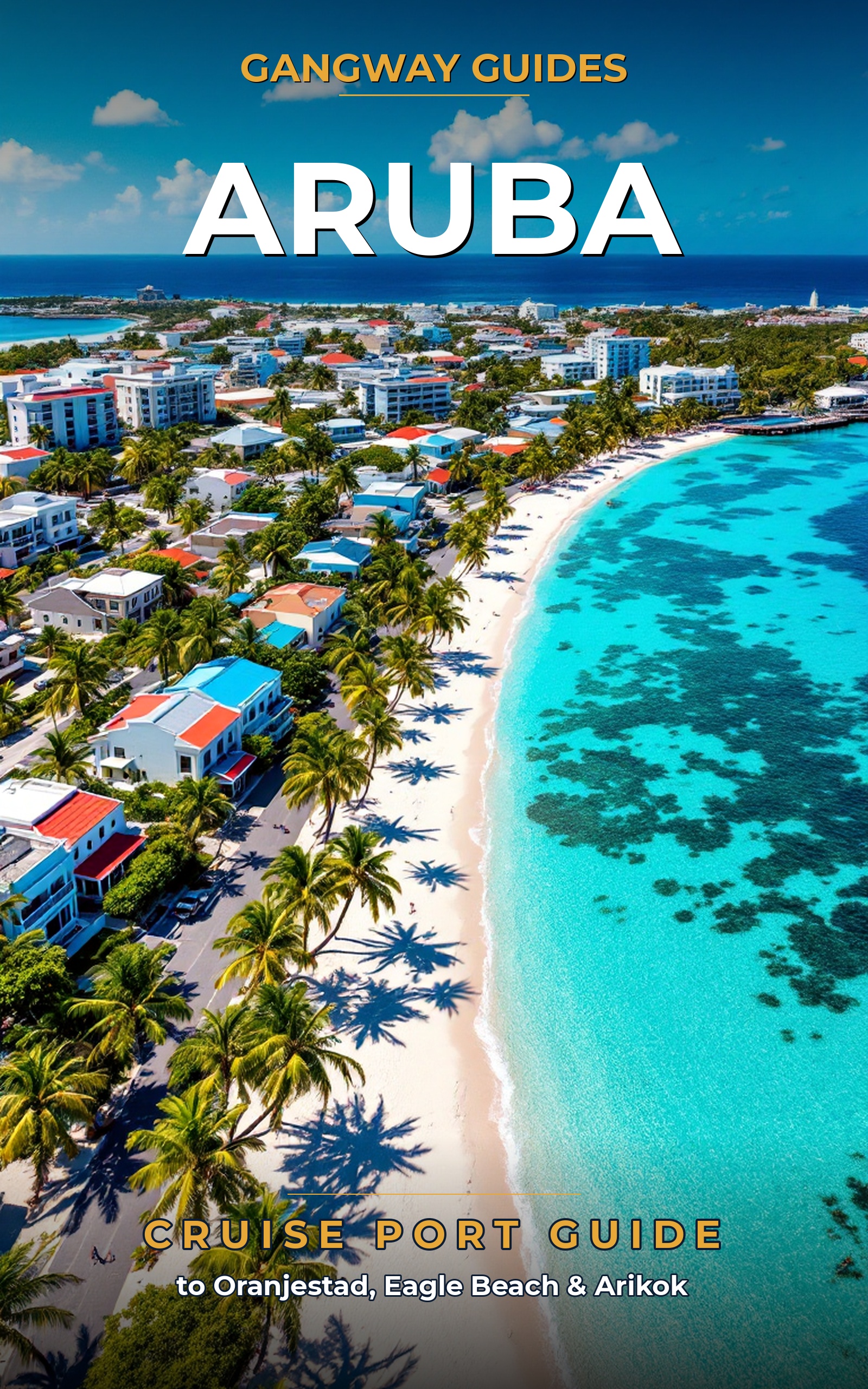
Aruba Cruise Port: Oranjestad Walk or Beach Bus?
Aruba is an easy-feeling port because Oranjestad is right there, but beach transfers still need discipline. Decide whether this is a town day, bus-to-beach day, or tour day before you leave the ship.
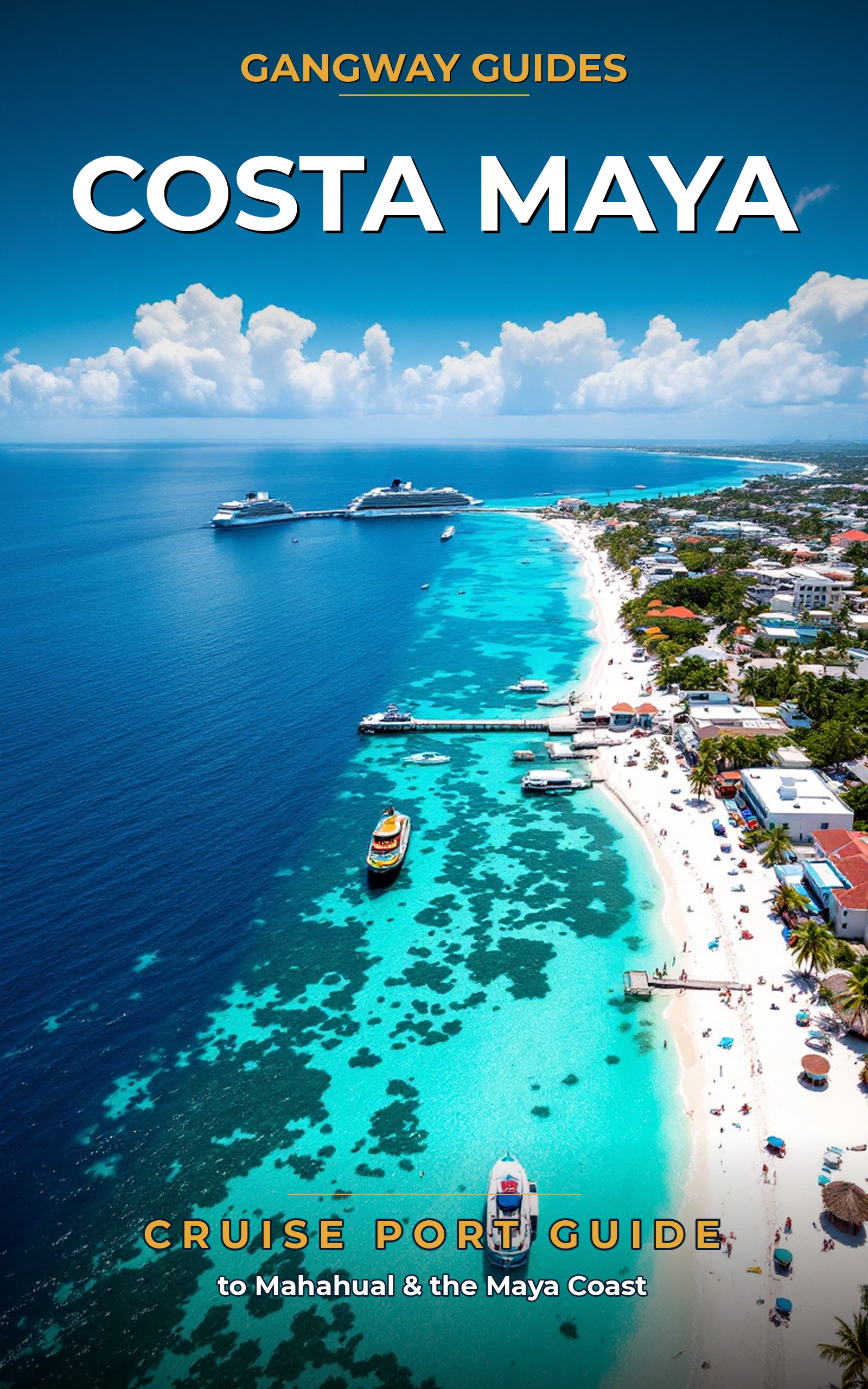
Costa Maya: Port Village, Mahahual, or Chacchoben?
Costa Maya is not one decision. It is three very different port days: stay in the port village, go to Mahahual, or commit to Chacchoben. Pick before you leave the ship.
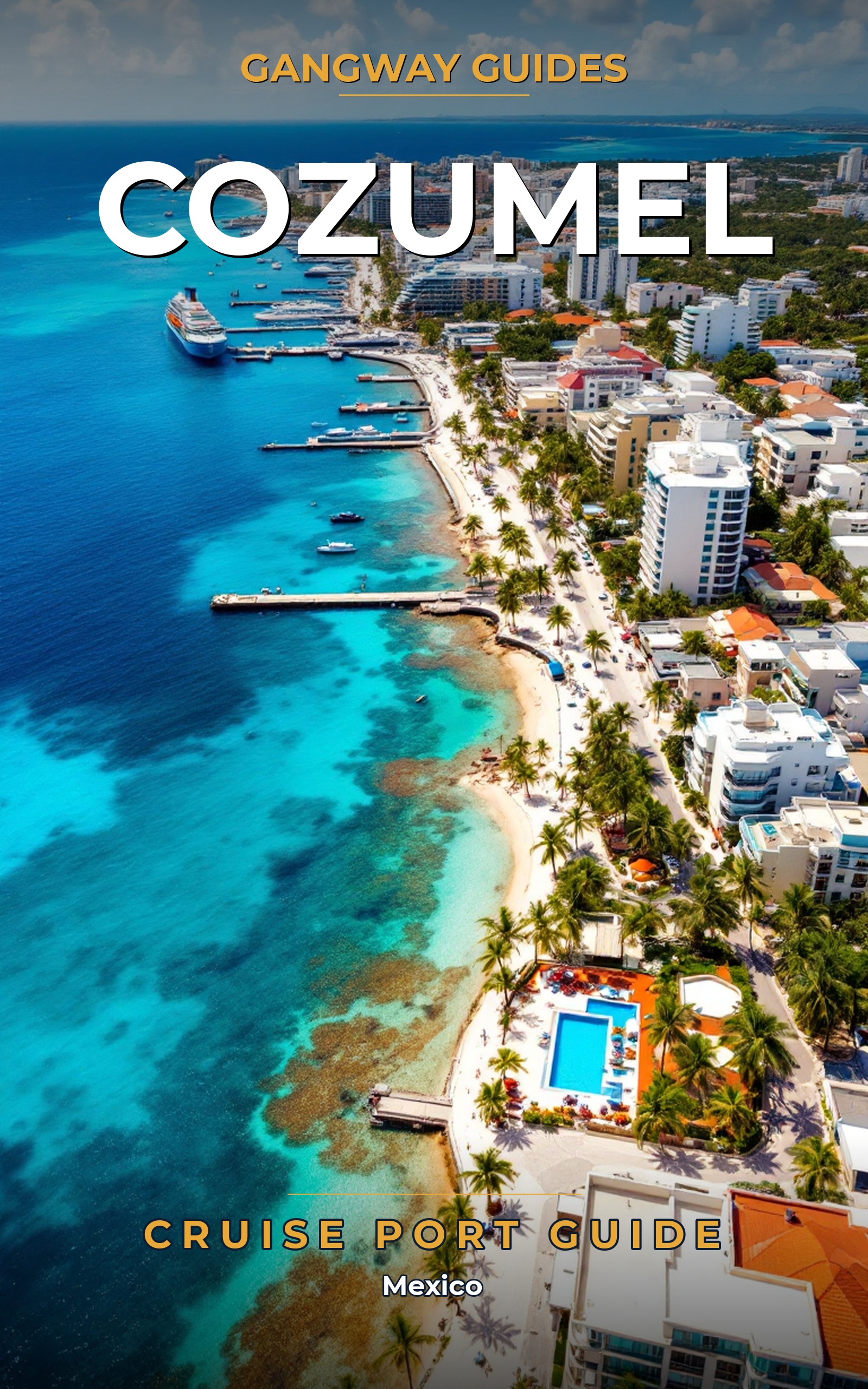
Cozumel Cruise Terminals: Which Pier Are You Using?
Cozumel planning starts with one question: which pier? Punta Langosta, SSA Mexico, and Puerta Maya create different walk, taxi, and San Miguel strategies.
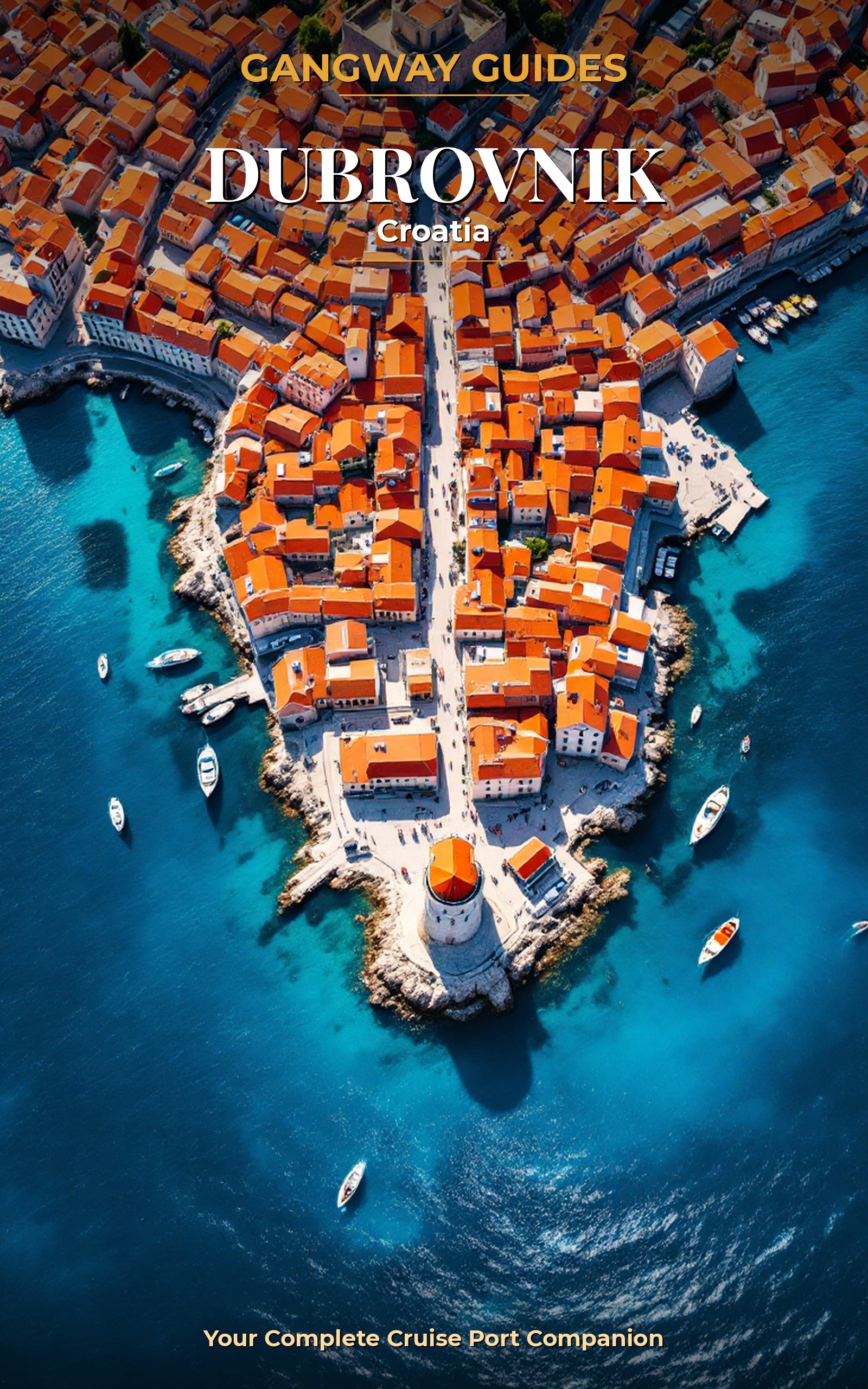
Returning to Dubrovnik: What to Do on Your Second Cruise Visit
You did the city walls and the Stradun last time. Here's what Dubrovnik actually has beyond the things on every first-timer's list — and it's substantially better.
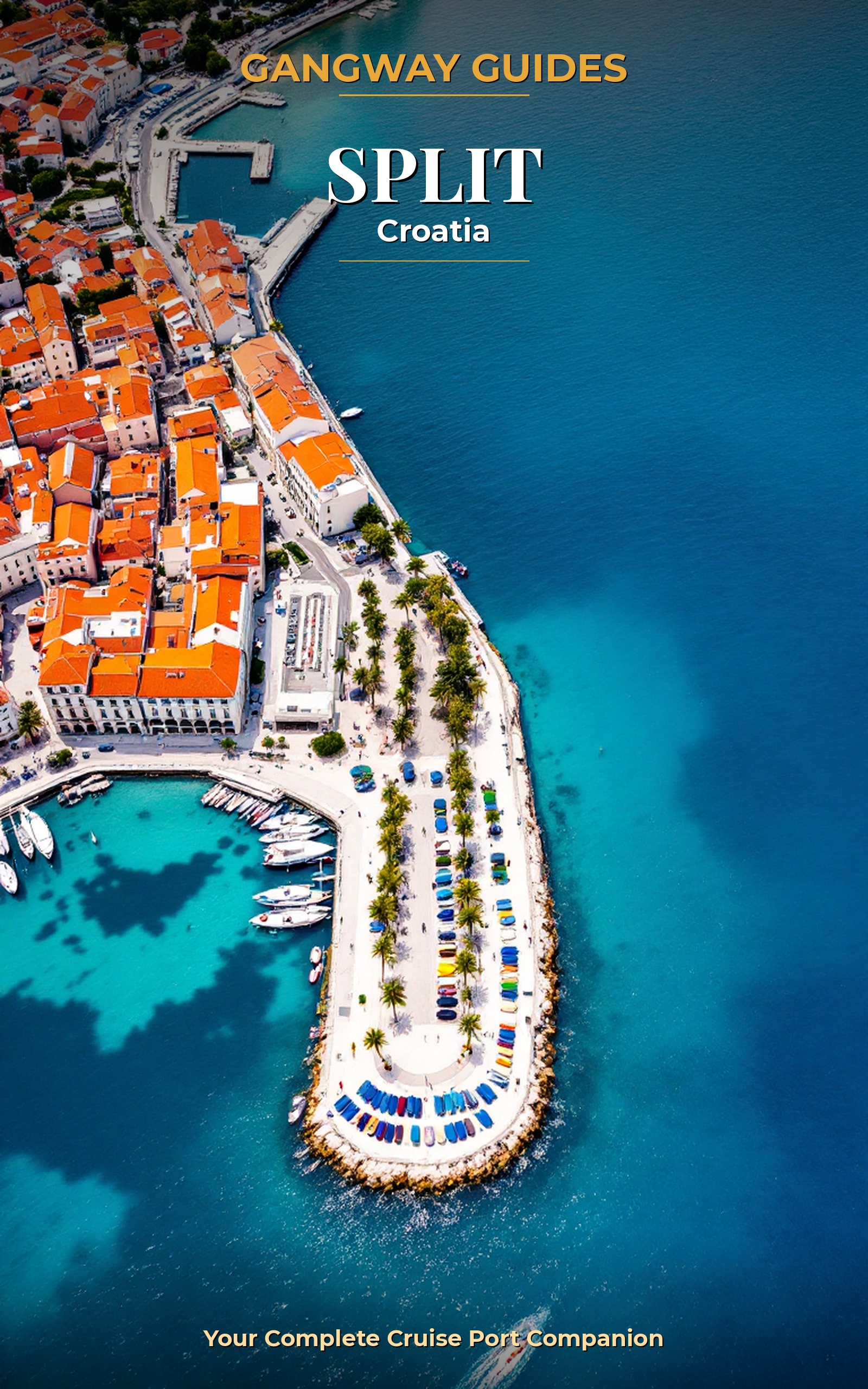
Budget Breakdown: One Day in Split from the Cruise Port
Split is one of the best-value port days in the Adriatic — Diocletian's Palace is partially free to enter, the beaches are close, and the food culture is both excellent and affordable. Here's what it actually costs.
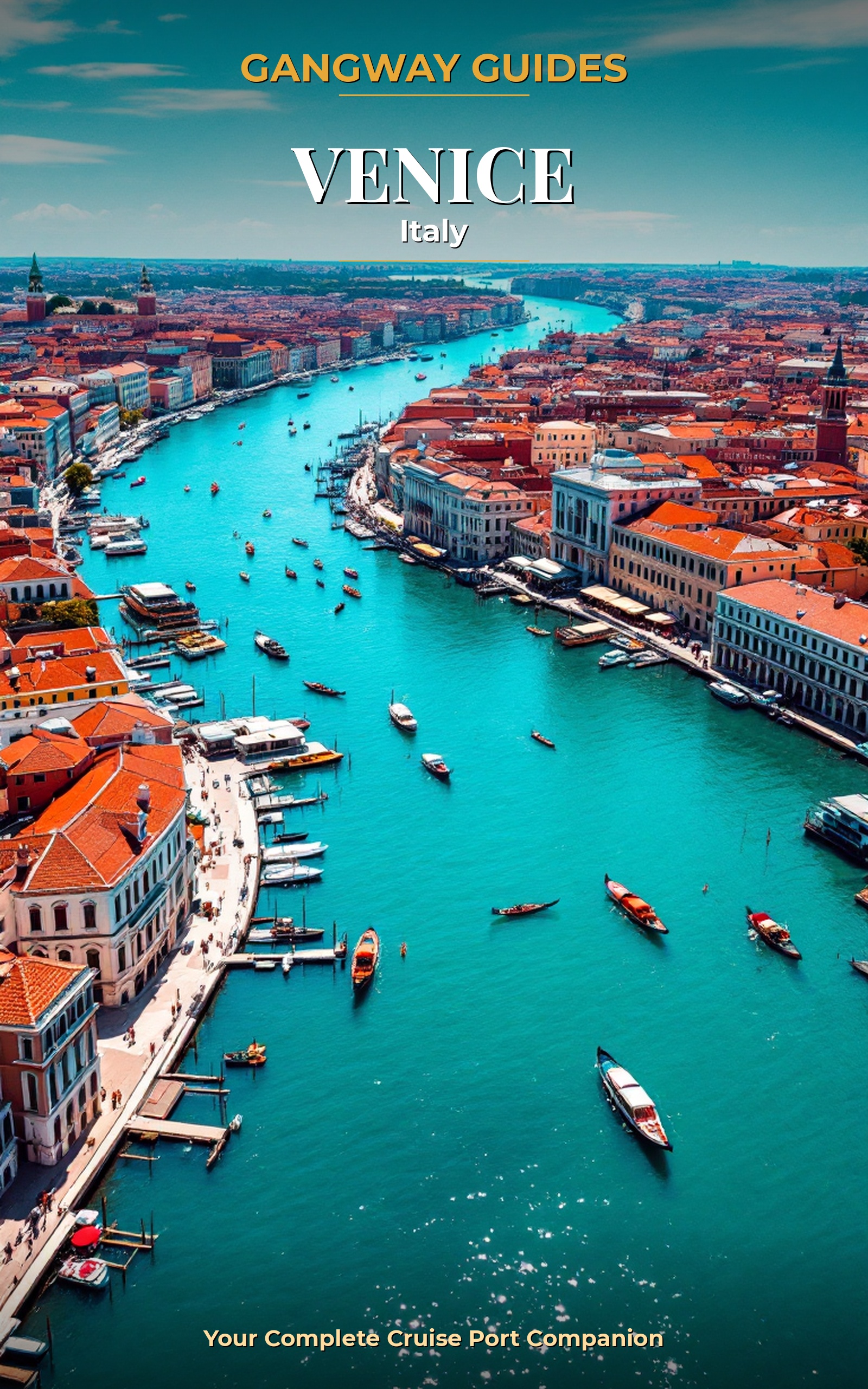
Returning to Venice: What to Do on Your Second Cruise Visit
You did St. Mark's Square, the Doge's Palace, and the Rialto last time. Venice has an entirely different city waiting for people who already know where those things are — and it's less crowded and more interesting.
How to Plan Your First Mediterranean Cruise Itinerary (2026)
Everything first-time Mediterranean cruisers need to plan the perfect itinerary — from choosing between Eastern and Western Med to budgeting for port days.
11 Tips for Cruise Port Days With Toddlers and Under-5s
Cruising with a toddler or under-5 is entirely doable — and port days can be genuinely enjoyable rather than survival exercises. The preparation is different; so is the pacing. Here's what actually works.
Civitavecchia Cruise Port Transport to Rome
Civitavecchia is not Rome. This guide breaks down the real first moves from ship to port service area, station, train or transfer, and the return buffer that keeps the day sane.
How to Maximize 8 Hours in Barcelona from the Cruise Port
Barcelona rewards both the architecture obsessive and the neighborhood wanderer — the trick is choosing one of these routes rather than trying to do everything and doing nothing well.
Budget Breakdown: One Day in Kotor from the Cruise Port
Kotor is one of the best-value cruise ports on the Adriatic — a walled medieval city where most of the best experiences are free or cost under €10. Here's what a realistic day actually costs, at three different spending levels.
Best Shopping at Mediterranean Cruise Ports: What to Buy Where
The best souvenir from a Mediterranean cruise port is something that isn't available everywhere else and costs less there than it does at home. Here's where to actually shop and what to buy.
How to Maximize 8 Hours in Naples from the Cruise Port
Naples from a cruise port gives you two completely different days: the chaotic, magnificent city itself, or Pompeii and back. Both are worth doing — here's how to choose and make either work in 8 hours.
How to Maximize 8 Hours in Athens from a Cruise Port
Eight hours in Athens is enough to do the Acropolis properly, eat well, walk Monastiraki, and catch the Acropolis Museum — if you sequence it correctly and don't waste time at the wrong spots.
Best Local Restaurants Near Dubrovnik Cruise Port
Dubrovnik restaurants range from €35 tourist-trap mains on the Stradun to €14 grilled fish at a konoba two alleys over. Here's exactly where to eat on a port day — with specific names, locations, and what to order.
The 8 Best Mediterranean Cruise Ports for Families with Kids (2026)
Eight Mediterranean cruise ports ranked for families — covering beach access, walkability with strollers, kid-friendly food, and what works for toddlers vs teens.
What to Do When Your Cruise Ship Arrives Late to Port
When your ship arrives late, the old itinerary is gone. The right move is to rebuild the day around one close activity, one food stop, and a bigger return buffer.
Things to Do in Civitavecchia Beyond Rome
Everyone bolts for Rome the moment the gangway drops — but Civitavecchia itself has a Roman fortress, ancient thermal baths, and the kind of seafood lunch you can't get in a tourist city.
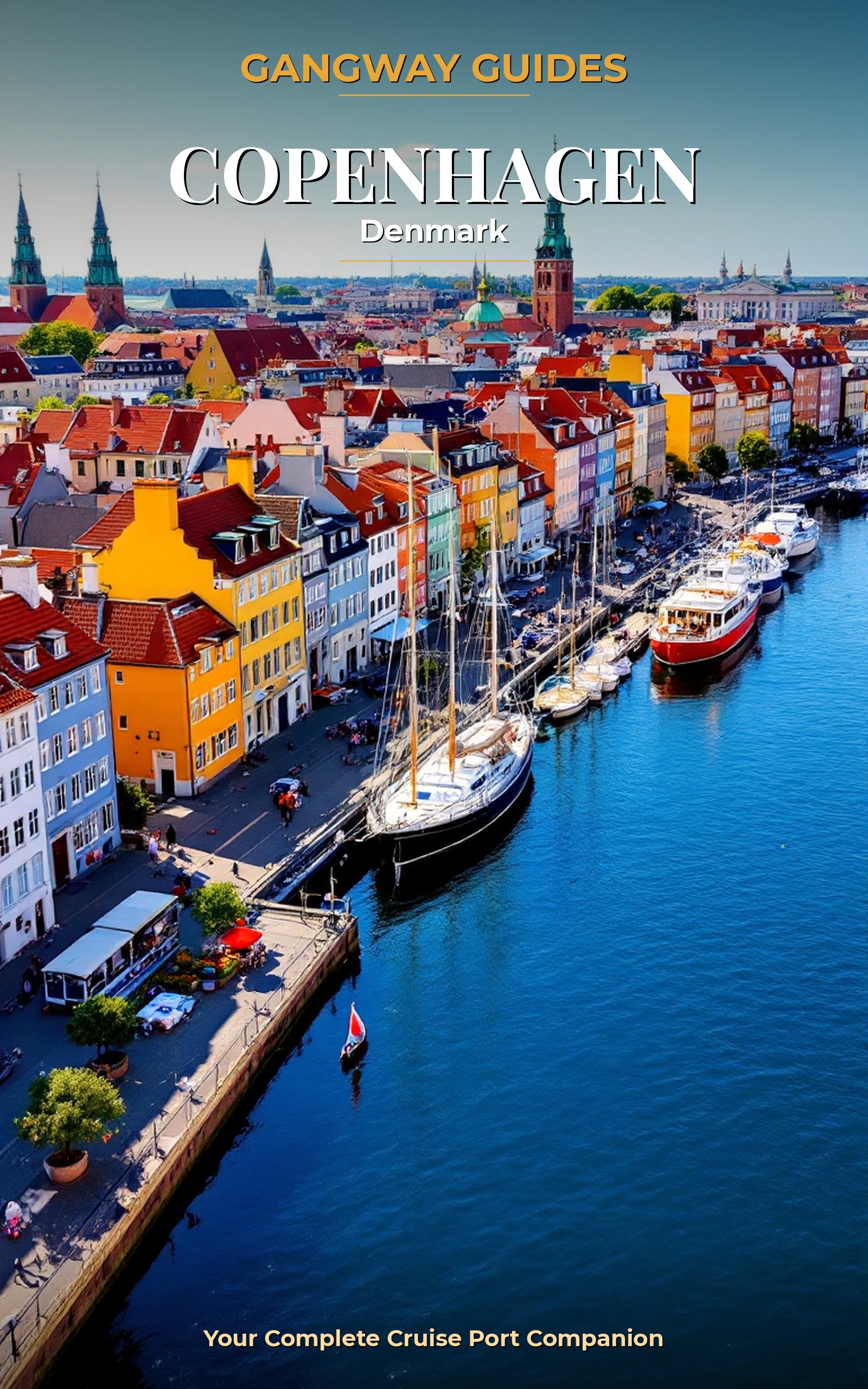
Things to Do in Copenhagen from the Cruise Port
Copenhagen is one of the most walkable cruise ports in Europe — Nyhavn is 20 minutes from the terminal on foot, Tivoli is another 15 minutes beyond that, and the city repays slow exploration more than most.
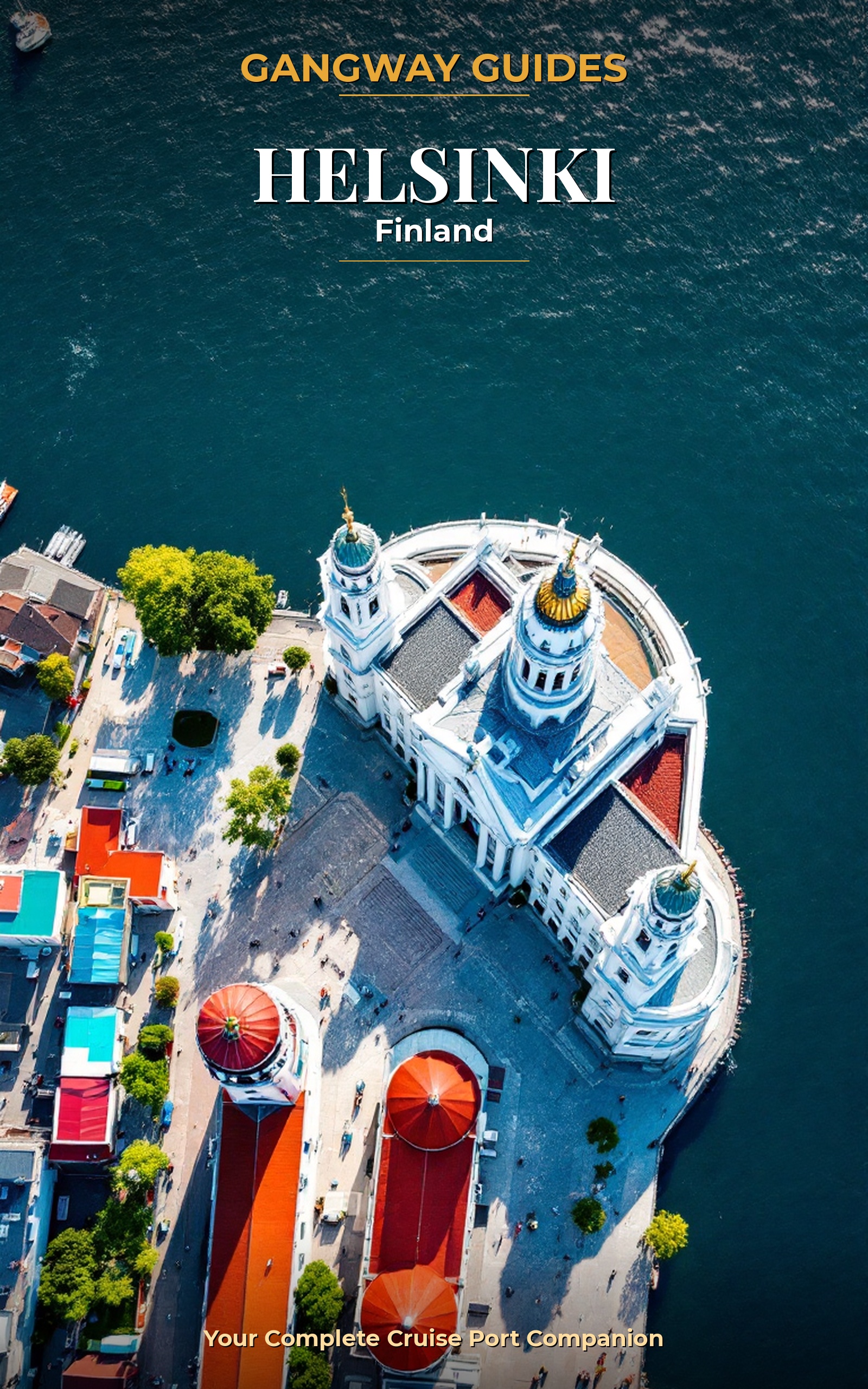
Things to Do in Helsinki from the Cruise Port
Helsinki is compact enough to cover serious ground in a single port day — the sea fortress of Suomenlinna is a 15-minute ferry ride, the Design District is walkable from the terminal, and the city rewards curiosity over rushing.
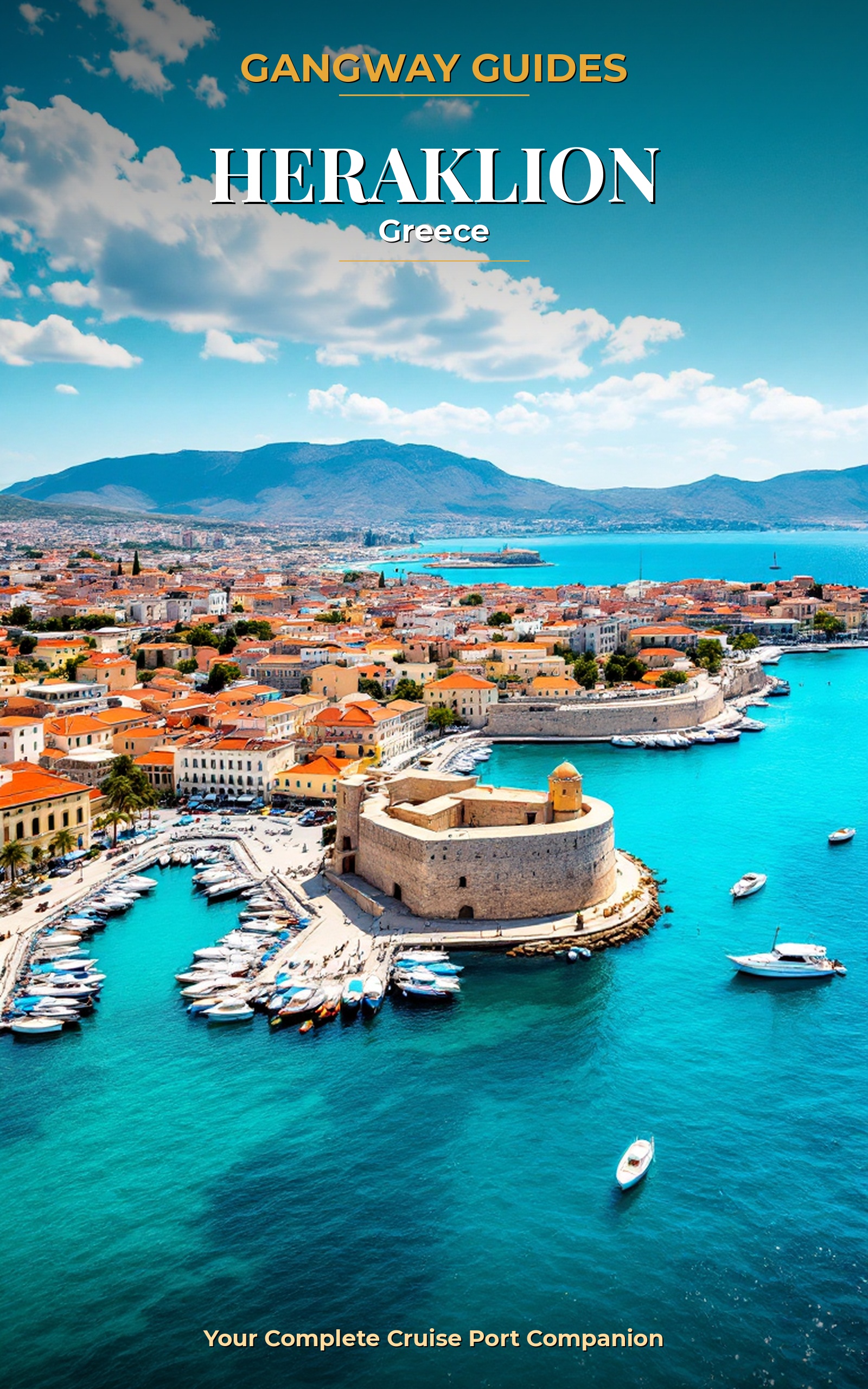
Things to Do in Heraklion from the Cruise Port
Heraklion gets underestimated. Knossos is 5 km away, the Archaeological Museum is world-class, and the 1866 Street market is where Cretan food culture actually lives — all reachable without a tour bus.
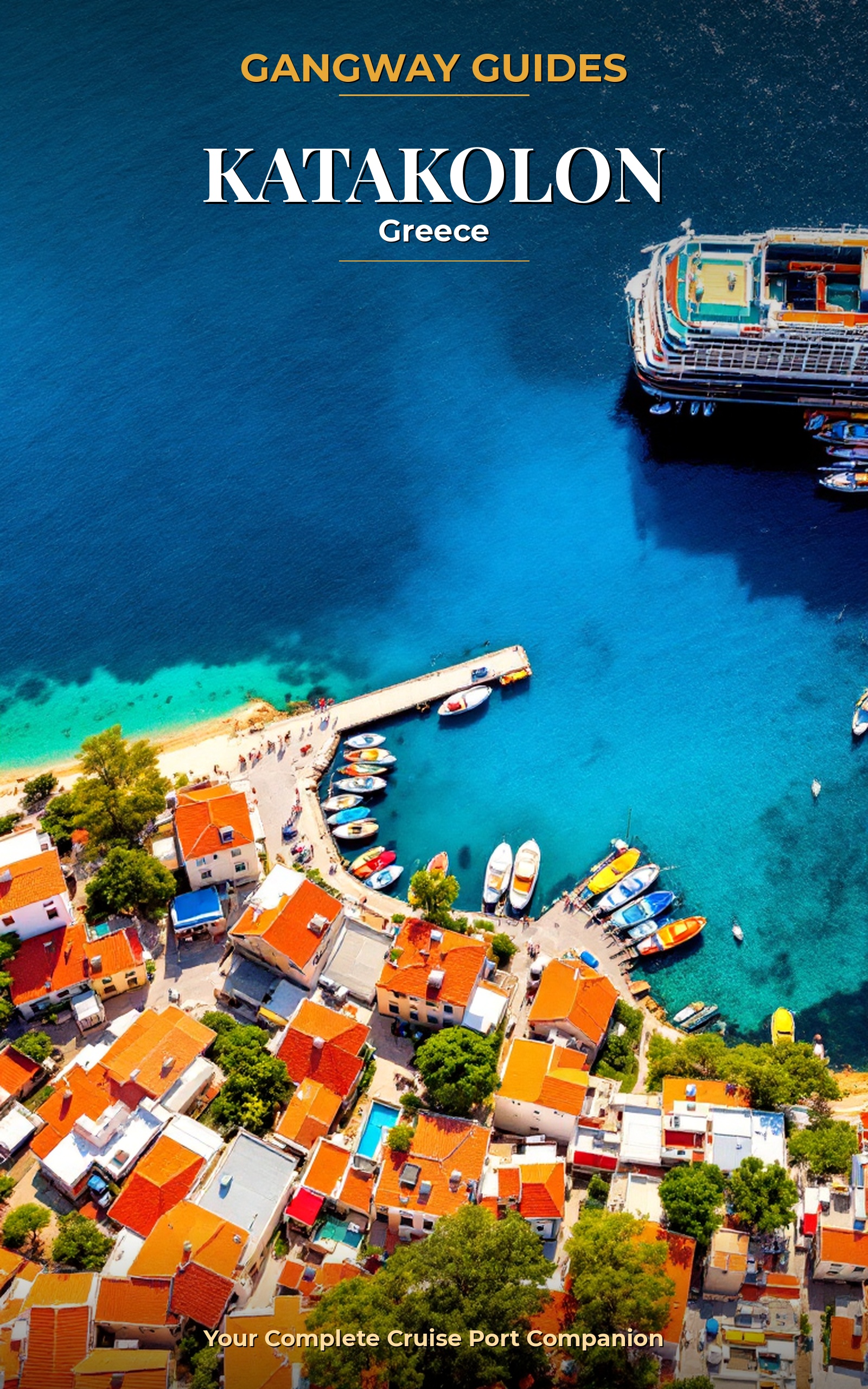
Things to Do in Katakolon from the Cruise Port
Katakolon is a tiny port village with one main reason to visit: it's the gateway to Ancient Olympia, birthplace of the Olympic Games. But the village itself, with its beaches and local tavernas, is worth staying for if you've already done Olympia.
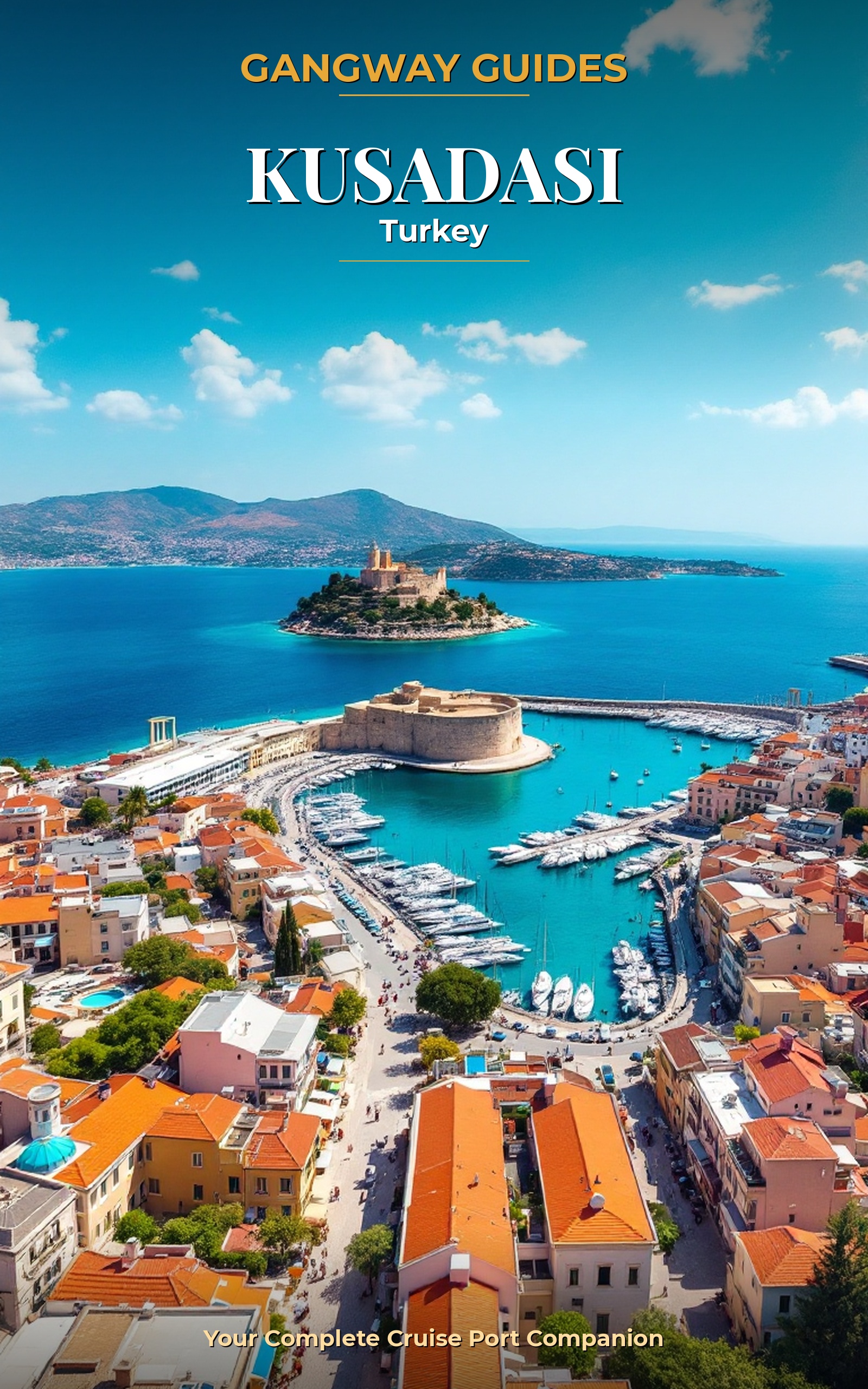
Things to Do in Kusadasi from the Cruise Port
Kusadasi is the gateway to Ephesus — one of the best-preserved ancient cities in the world — but it's also a port that rewards those who know what to skip and what to seek out.
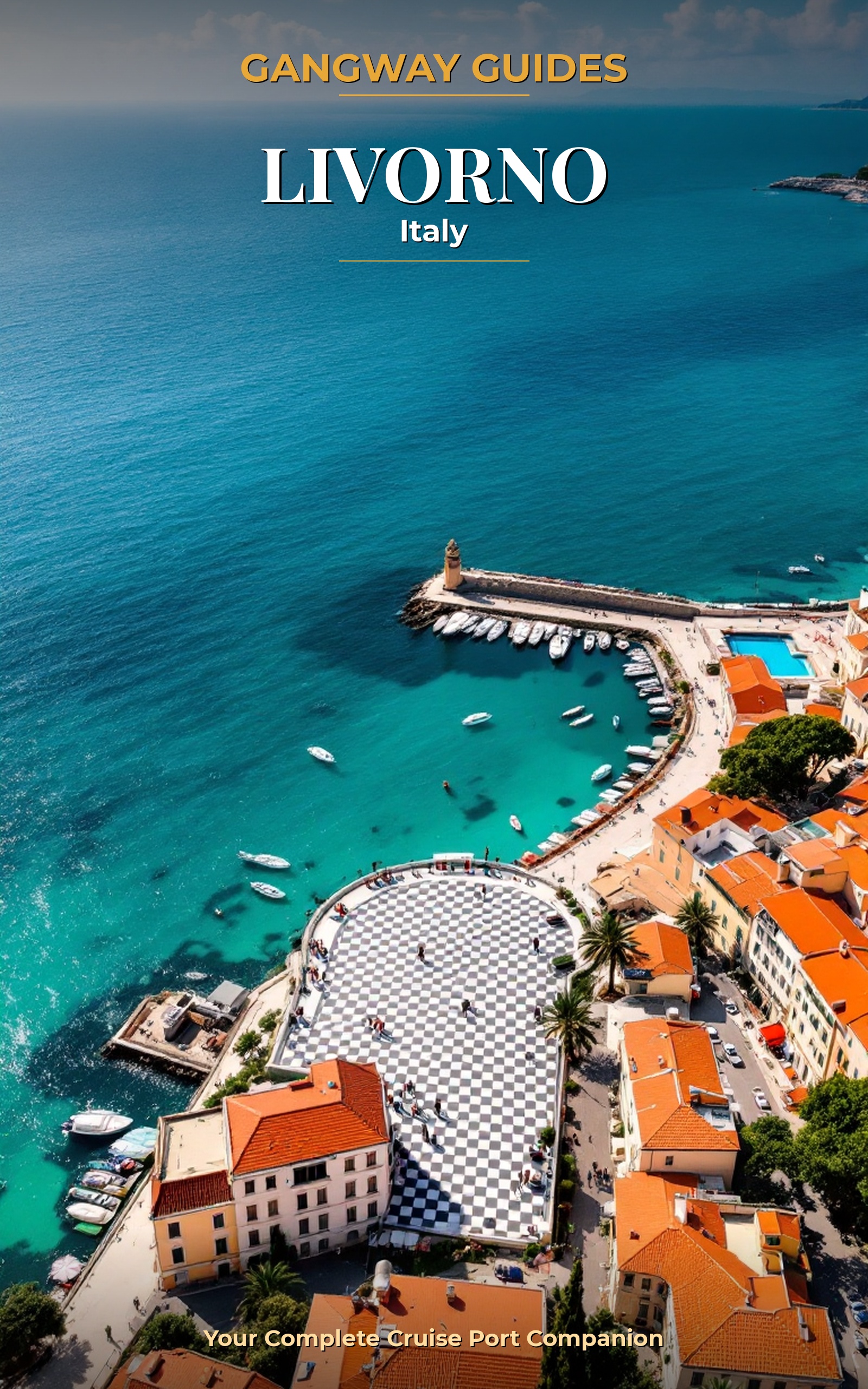
Things to Do in Livorno Beyond Florence and Pisa
Every cruise ship in Livorno empties into Florence or Pisa-bound transport — which means the port city itself is almost entirely yours. Livorno's Little Venice canals, its art nouveau market hall, and a bowl of cacciucco are worth the detour.
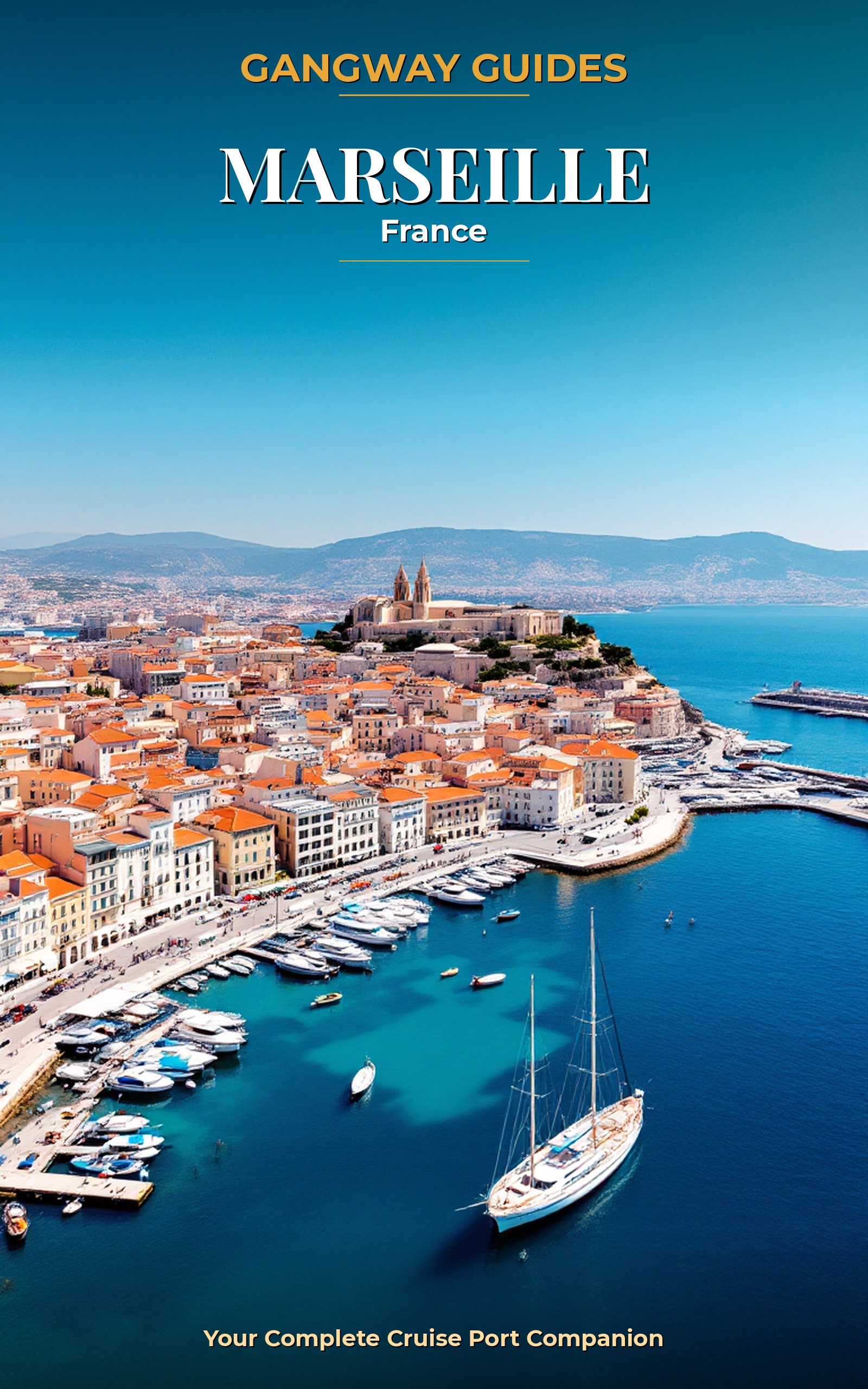
Things to Do in Marseille from the Cruise Port
Marseille is France's oldest city and its most underestimated cruise port — the Vieux-Port, the hilltop basilica, the North African-inflected Le Panier quarter, and a bowl of actual bouillabaisse all deserve more than a quick glance.
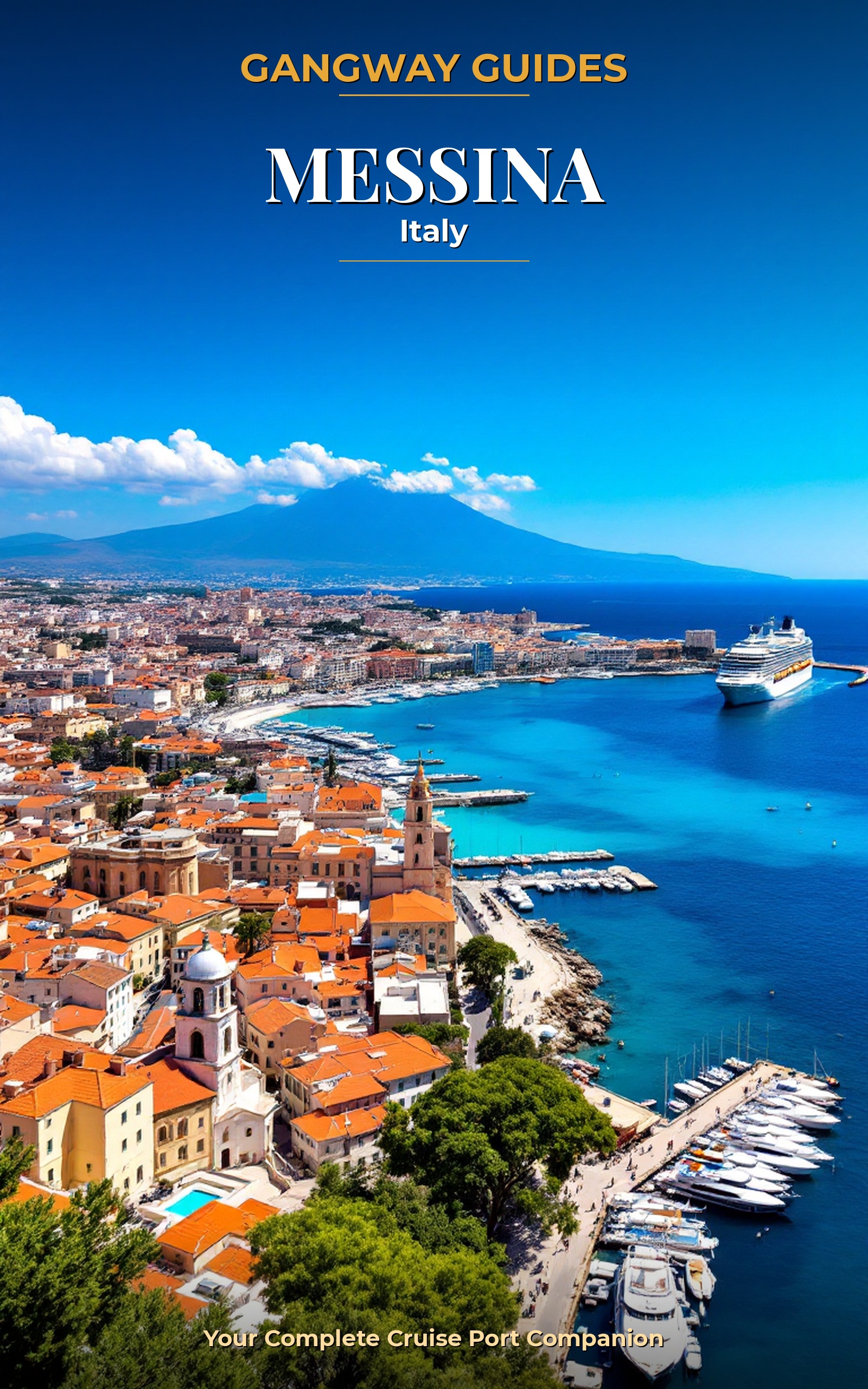
Things to Do in Messina from the Cruise Port
Messina's cruise terminal drops you 10 minutes from one of the world's most unusual public clocks — a 60-meter astronomical tower that puts on a full mechanical performance every day at noon. Stay for it, then eat something Sicilian.
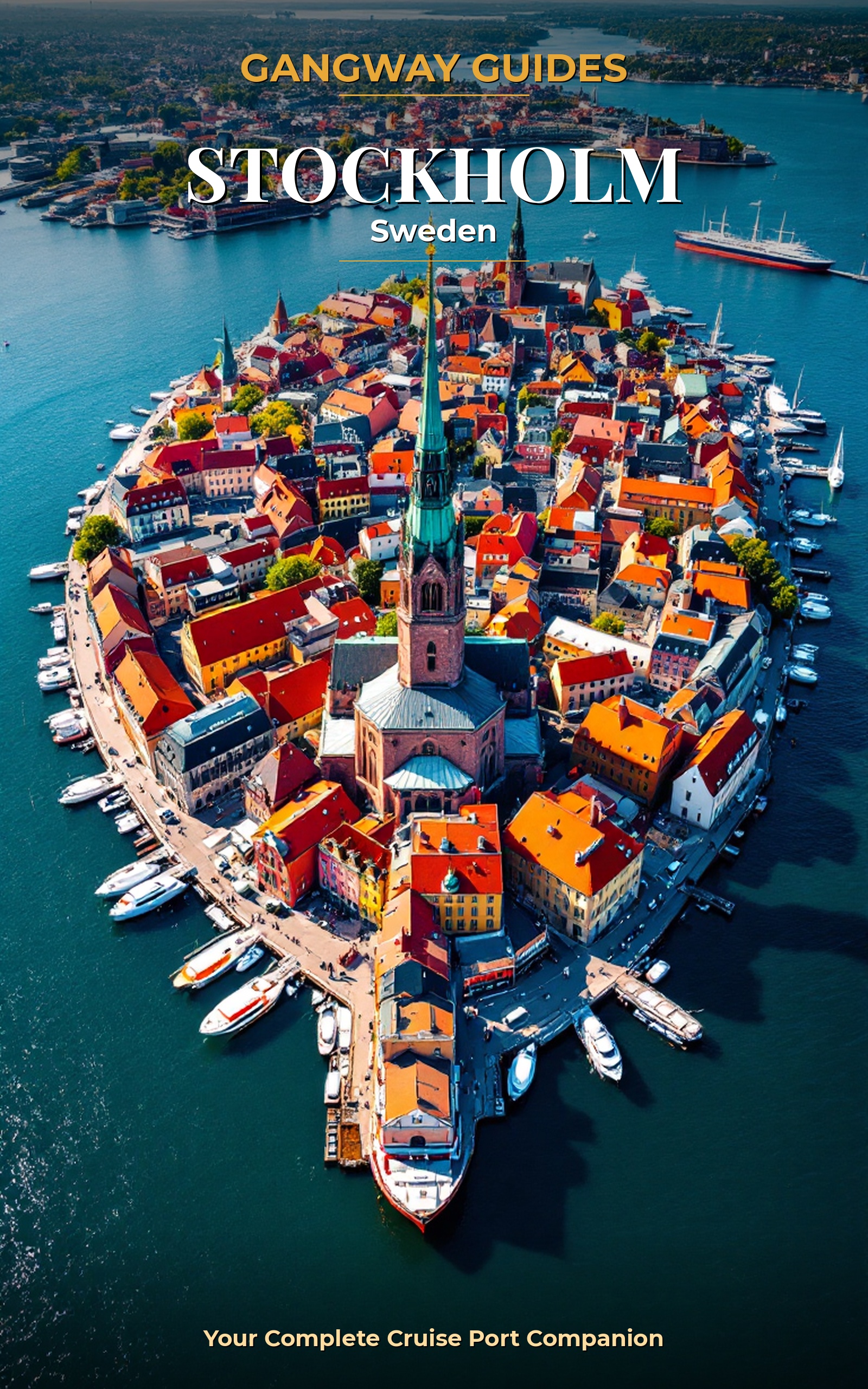
Things to Do in Stockholm from the Cruise Port
Stockholm is a city of islands and water — and from the cruise terminal, the best of it unfolds across a chain of walkable neighborhoods that you can connect on foot, by ferry, or by tram in a single port day.
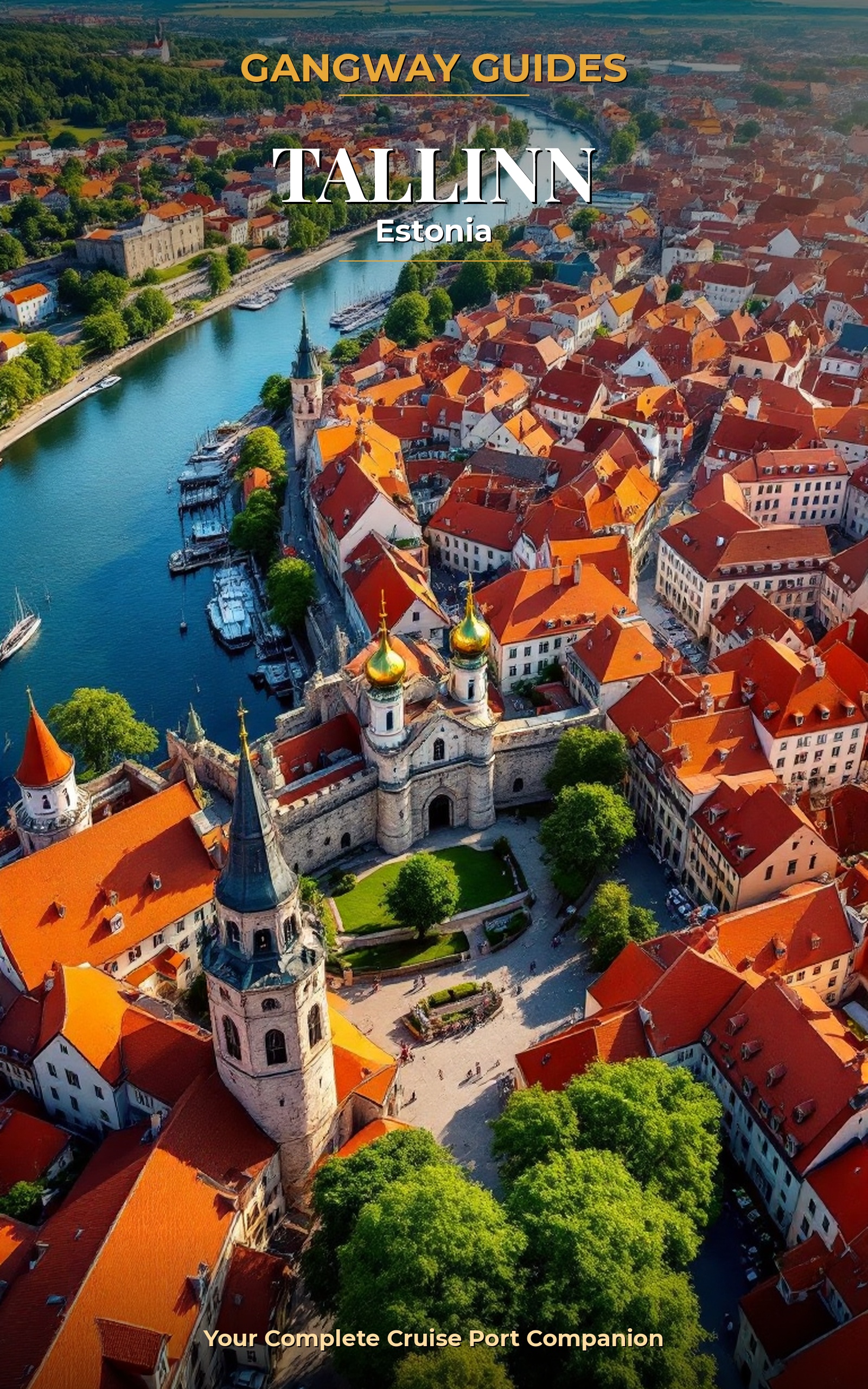
Things to Do in Tallinn from the Cruise Port
Tallinn has one of the best-preserved medieval old towns in Europe — and unlike most historic cities, it's still actually inhabited. The cruise terminal is 15 minutes from the city walls on foot.
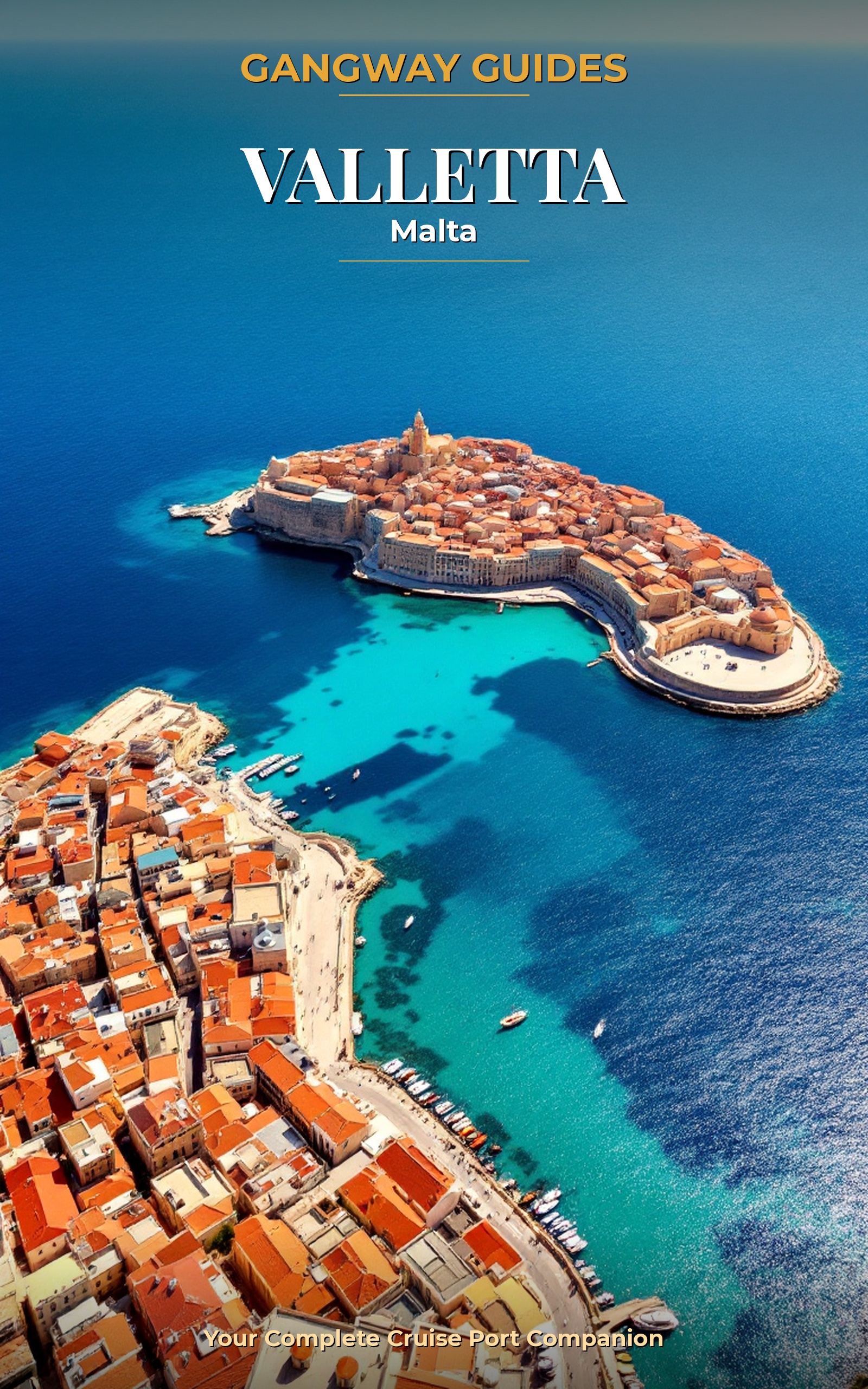
Things to Do in Valletta from the Cruise Port
Valletta is the smallest EU capital city, built by the Knights of St. John in the 16th century, and almost entirely walkable from the cruise terminal. St. John's Co-Cathedral alone justifies the stop.
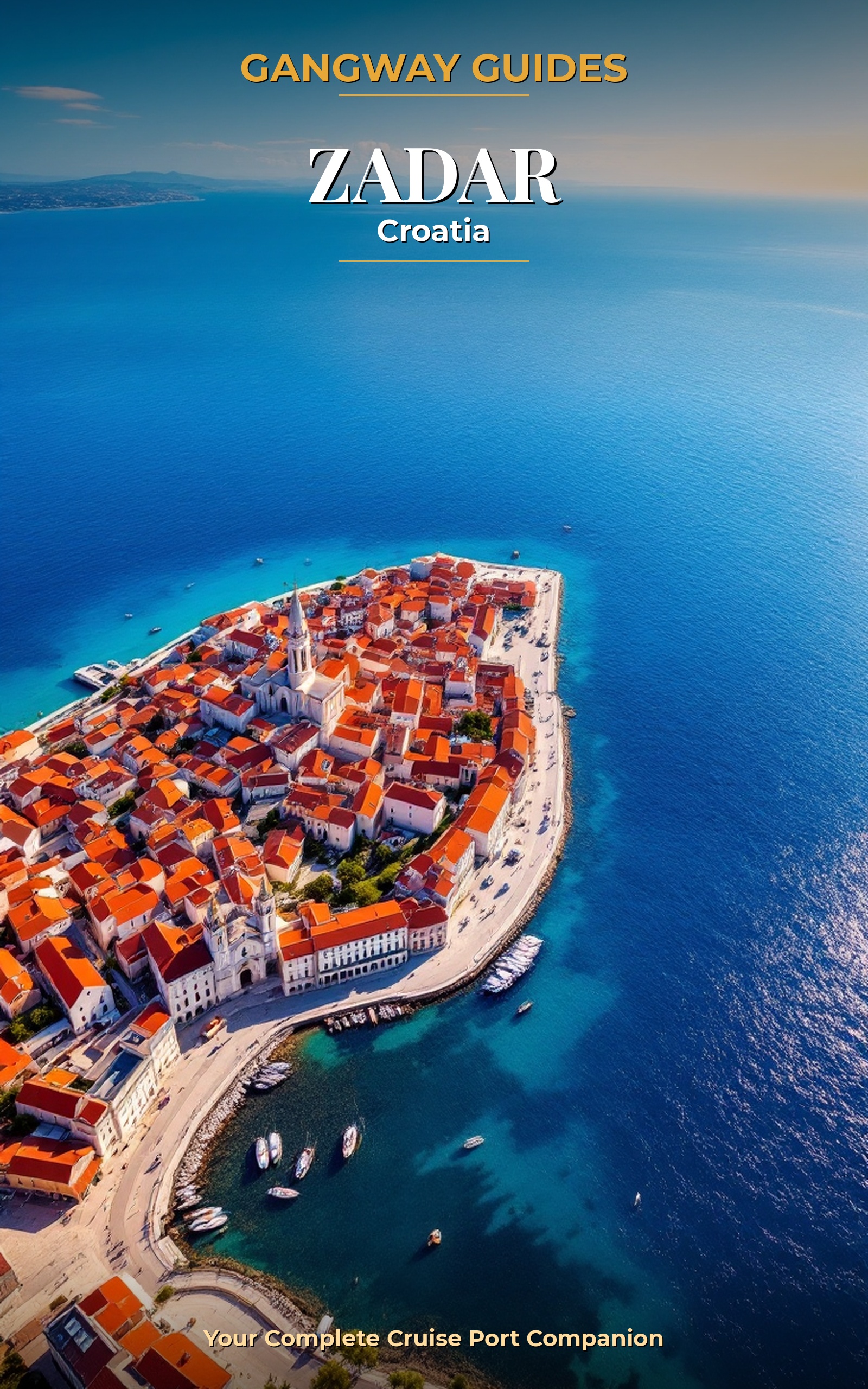
Things to Do in Zadar from the Cruise Port
Zadar has Alfred Hitchcock's endorsement for best sunsets in the world — and a musical instrument built into the sea wall. It's also the most charming, least crowded Old Town in Dalmatia.
Where to Eat Near Athens Cruise Port: Real Food Guide
Athens feeds you well if you know where to look — and the best food is almost never near the tourist traps surrounding the Acropolis. Here's where we actually eat on Athens port days.
Where to Eat Near Barcelona Cruise Port: The Real Guide
Barcelona is one of the Mediterranean's great eating cities, and from the cruise terminal, the food options are stacked — but so are the tourist traps. Here's how to eat well without being cleaned out.
Where to Eat Near Dubrovnik Cruise Port: Avoiding the Crowds
Dubrovnik's main street is lined with restaurants that know exactly how to separate cruise passengers from their money. The good food is 50-100 meters off the tourist drag — here's where to find it.
Where to Eat Near Venice Cruise Port: Skip the Traps
Venice has some of Italy's most extraordinary food — and some of its worst tourist traps. The bacari cicchetti system is one of Europe's great eating cultures, and it costs almost nothing to do it right.
Where to Eat in Split from the Cruise Port: A Food Guide
Split is unusual among Mediterranean cruise ports in that the main attraction — Diocletian's Palace — is also the neighborhood where people live and eat. The best restaurants are hidden inside a Roman emperor's retirement home.
Mediterranean Cruise Port Weather by Month: What to Expect (2026)
The difference between a perfect port day and a miserable one often comes down to weather. Here are the actual temperatures, rain days, and crowd levels for 10 Mediterranean cruise ports — month by month.
The Most Accessible Mediterranean Cruise Ports for Wheelchair Users (2026)
Not all cruise ports are created equal when it comes to accessibility. We ranked 10 Mediterranean ports from easiest to hardest for wheelchair users and anyone with limited mobility — with honest assessments of what you can actually do at each one.
How to Get from Dubrovnik Cruise Port to Old Town (2026)
Your ship docks at Gruž port, roughly 3 km from the Pile Gate entrance to Old Town. Here's every option for getting there, with real prices and honest time estimates.
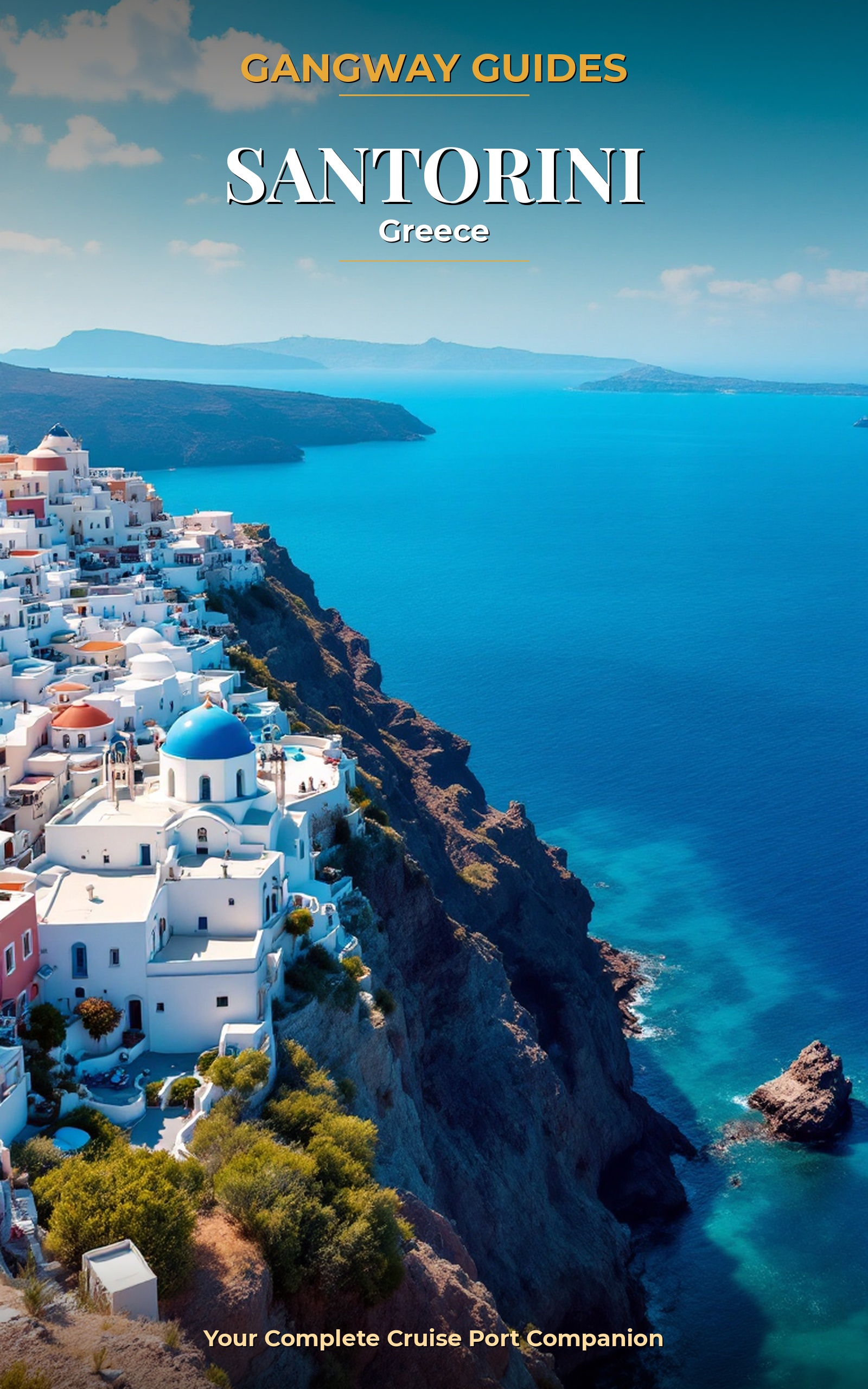
Santorini Cable Car, Donkeys, or Tender? What to Know Before You Dock
Santorini has no cruise dock. Your ship anchors in the caldera and you tender to shore. Then you face a choice: cable car, donkeys, or 587 steps. Here's the honest breakdown.
Is the Kotor Fortress Climb Worth 1,350 Steps? An Honest Assessment
The fortress walls zigzag up the mountain behind Kotor's Old Town, climbing 1,350 steps to the Castle of San Giovanni. Here's who should attempt it, who shouldn't, and what the view actually looks like from the top.
Ship Excursions vs. DIY: How We Saved $800 on a 7-Day Mediterranean Cruise
We priced out ship excursions at 5 Mediterranean ports and compared them to doing the exact same activities independently. The savings were significant. Here's the full breakdown.
Naples to Pompeii from the Cruise Port: Complete DIY Guide (2026)
The Circumvesuviana train from Naples to Pompeii takes 36 minutes and costs under 5 EUR. Here's exactly how to do this day trip independently from the cruise port, step by step.
Civitavecchia to Rome from the Cruise Port: Train, Taxi, or Tour? (2026)
Rome is 80 minutes by train from the Civitavecchia cruise port. That's the good news. The bad news: you'll spend 3+ hours of your port day just getting there and back. Here's how to make it work.
Venice Cruise Port to St. Mark's Square: Your Transport Options (2026)
Venice's cruise terminal is on the mainland side of the city, separated from St. Mark's Square by the lagoon. Getting there is part of the experience — if you know your options.
Best eSIM for a Mediterranean Cruise: Stay Connected at Every Port (2026)
Ship wifi costs 15-20 USD per day and barely loads a map. Port cafe wifi is a security risk. An eSIM costs a fraction of that and works the moment you step off the ship. Here's what to get.
Diocletian's Palace from the Cruise Port: A Self-Guided Walk Through Split's Living Ruin
Most cruise ports require a shuttle, a train, or a taxi to reach the main attraction. In Split, Diocletian's Palace is a 200-meter walk from where your ship docks. Here's how to make the most of it.
Barcelona Cruise Port to La Rambla and the Gothic Quarter: Getting There and What to See (2026)
Barcelona's cruise port is deceptively far from the city center. The terminal looks close on a map, but there's 4+ km between your ship and La Rambla. Here's how to bridge that gap without wasting half your port day.
Piraeus to the Acropolis: Getting There from Your Cruise Ship (2026)
Piraeus port is 12 km from the Acropolis. The metro gets you there in 50 minutes for 1.20 EUR. Here's every option, what to expect at the top, and how to avoid the worst crowds.
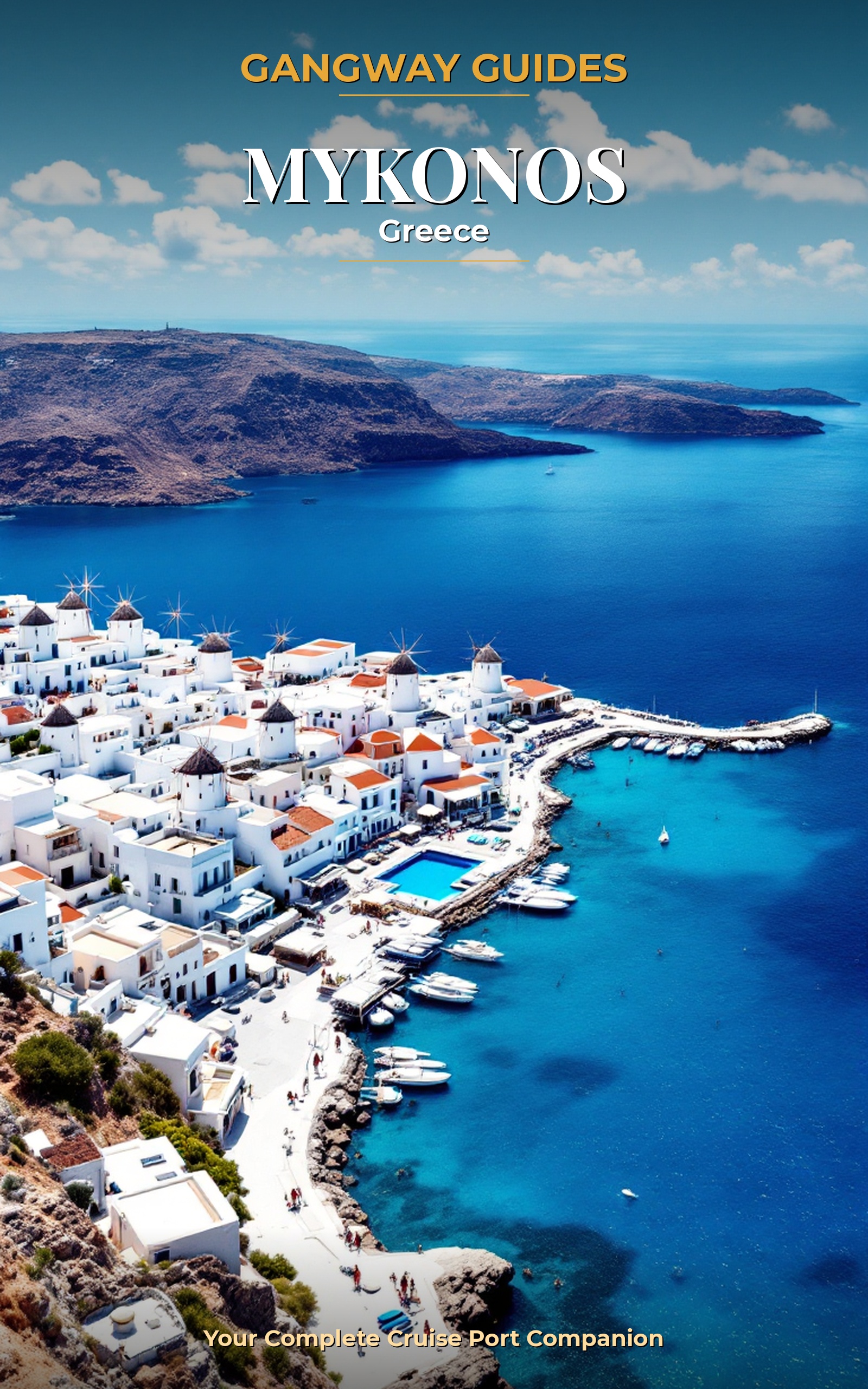
One Day in Mykonos from the Cruise Port: Beaches, Windmills, and Little Venice
Mykonos gives you two choices: tender into the old port and walk straight into town, or dock at the new port 2 km north. Either way, one day here is enough to see the highlights.
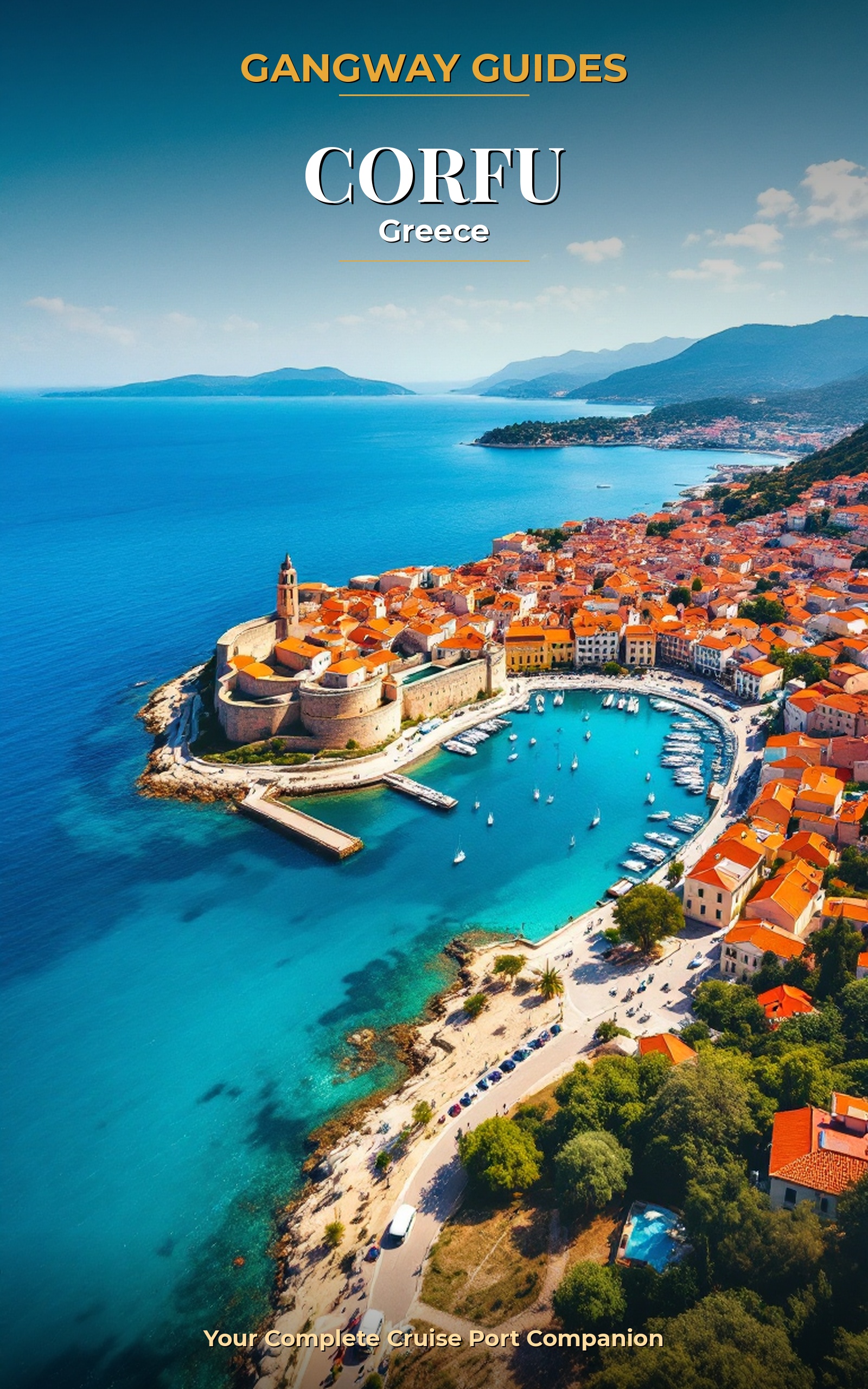
Corfu Old Town from the Cruise Port: A Self-Guided Walking Tour
Corfu's cruise terminal is listed 1,600 meters from Old Town, making this one of the easier Greek-island port days to plan independently.
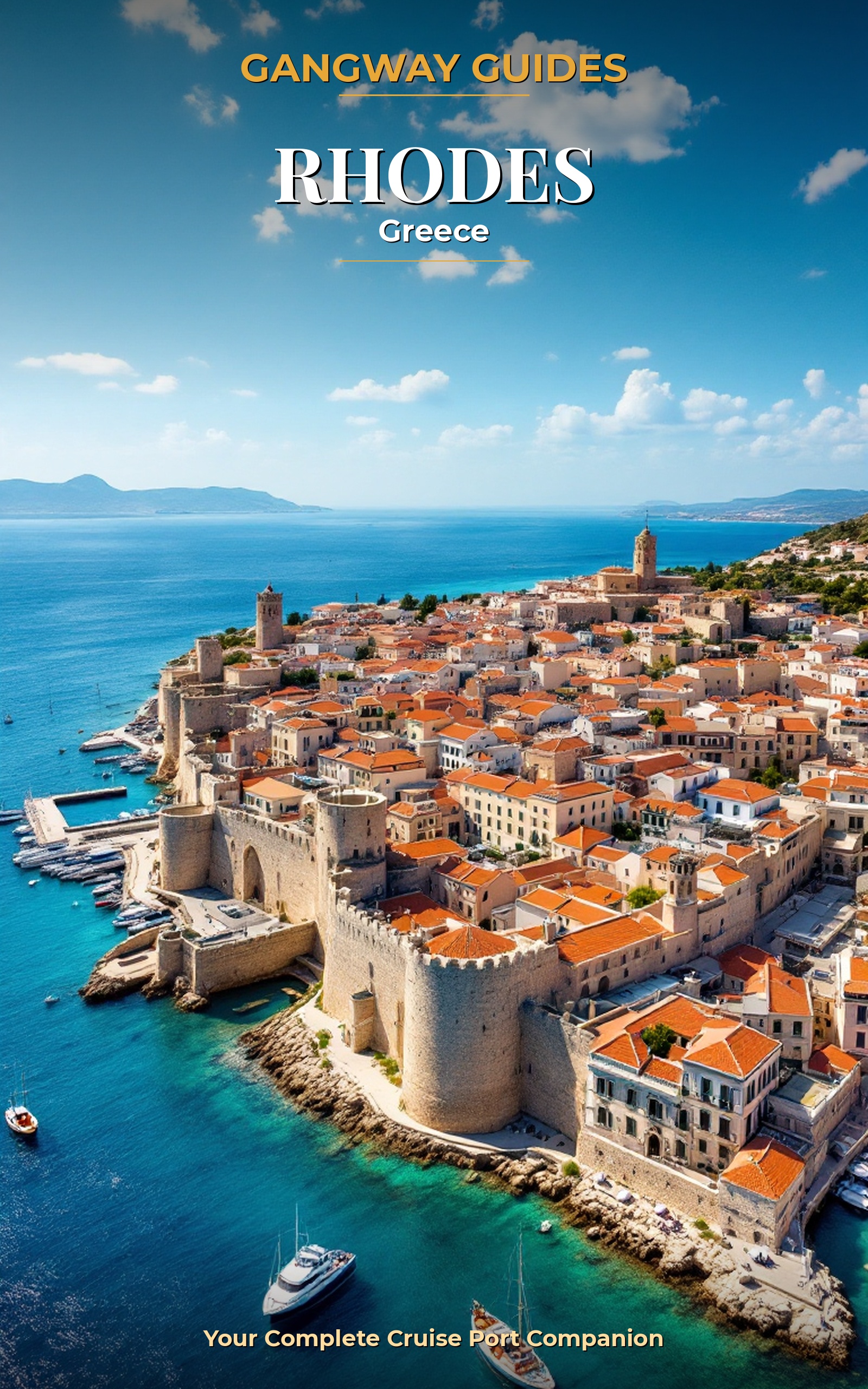
Rhodes Medieval City: Walking the Knight's Quarter from the Cruise Port
The cruise terminal sits right outside the medieval walls. Walk through the Marine Gate and you're in one of Europe's best-preserved medieval cities -- no transport needed.
Tallinn Old Town from the Cruise Port: The Best 200-Meter Walk in Cruising
Tallinn's cruise terminal is 200 meters from a UNESCO-listed medieval Old Town. No other cruise port in Europe puts you this close to something this good.
Kusadasi to Ephesus: DIY Day Trip from Your Cruise Ship (2026)
Ephesus is 18 km from the Kusadasi cruise terminal. A dolmus (minibus) costs 1.50 EUR and takes 25 minutes. Here's how to do it without a ship excursion.
Valletta from the Cruise Port: Why This Tiny Capital Punches Above Its Weight
Valletta is only 1 km long and 600 meters wide, but packs more history per square meter than almost anywhere in the Mediterranean. The port drops you right at the base of the city walls.
Livorno to Florence or Pisa? How to Choose on Your Cruise Port Day
Florence is 95 minutes by train. Pisa is 20 minutes. You can't do both justice in one day. Here's how to choose, and exactly how to get to each.
Can You Visit the Calanques on a Cruise Port Day? Here's How
The Calanques are stunning limestone fjords 30 minutes from the cruise port. A boat tour is the only realistic way to see them on a port day. Here's what works and what doesn't.
Stockholm's Gamla Stan from the Cruise Port: Old Town in 3 Hours
Stockholm's cruise berths are scattered across several locations. Most put you 1-3 km from Gamla Stan. Here's how to get to the Old Town island and what to do with 3 hours there.
Copenhagen from the Cruise Port: Beyond the Little Mermaid
The Little Mermaid statue is a 2-minute photo stop. Copenhagen deserves more than that. Here's how to spend your port day in one of Europe's best cities.
Helsinki from the Cruise Port: Market Square, Suomenlinna, and What to Skip
Helsinki's cruise terminals put you within walking distance of the city center. Market Square is 300 meters from the Katajanokka terminal. Here's how to make the most of a Finnish port day.
Messina to Taormina from Your Cruise Ship: Bus, Taxi, or Train? (2026)
Taormina is 50 km south of Messina's cruise terminal. The bus takes 1.5 hours and costs 4.30 EUR. The train is faster but drops you 400 steps below town. Here's each option.
Heraklion to Knossos from the Cruise Port: A DIY Guide to Europe's Oldest Palace
Knossos is 6 km from the cruise port. Bus 2 takes 20 minutes and costs 1.50 EUR. These 3,500-year-old Minoan ruins are the highlight of any Crete port call.
Katakolon to Ancient Olympia: Is the Birthplace of the Olympics Worth the Trip?
Ancient Olympia is 35 km from the tiny port of Katakolon. A train takes 45 minutes and costs 10 EUR round trip. The answer to 'is it worth it?' is yes -- here's why.
What to Pack for a Cruise Port Day: The 12-Item Checklist
You don't need a full daypack stuffed with gear. You need 12 specific items that solve the problems port days actually throw at you. Here's the list.
7 Common Scams at Mediterranean Cruise Ports (And How to Avoid Them)
Most Mediterranean ports are safe. But certain scams target cruise passengers specifically because we're on a tight schedule and won't be back to complain. Here are the ones to watch for.
9 Port Day Mistakes First-Time Cruisers Make (And How to Avoid Them)
Every seasoned cruiser made these mistakes once. Getting back to the ship late, overpaying for a taxi, skipping breakfast before a port day. Learn from other people's errors instead.
Zadar from the Cruise Port: Sea Organ, Sun Salutation, and the Best Sunset Spot
Zadar's cruise port is 3 km from an Old Town with Roman ruins, a sea-powered organ, and what Hitchcock called the best sunset in the world. Here's how to spend the day.
The 10 Most Walkable Mediterranean Cruise Ports (Ranked by Distance from Dock)
Some cruise ports drop you right in the middle of the action. Others require an hour of transport before the day even starts. Here are the 10 ports where you can walk straight off the ship and into something worth seeing.
Walking Dubrovnik's City Walls from the Cruise Port: Tickets, Timing, and Tips
The city walls walk is the single best thing you can do in Dubrovnik on a cruise port day. But timing, tickets, and crowds can make or break the experience. Here's how to get it right.
Fira or Oia? How to Split Your Time on a Santorini Cruise Port Day
Most cruisers only get 6-8 hours in Santorini and want to see both Fira and Oia. Here's how to realistically split your time, with bus schedules, walking times, and honest advice on what to skip.
Are Venice Gondola Rides Worth It? What Cruisers Should Know (2026)
A Venice gondola ride costs 80 EUR for 30 minutes. That's a lot. Here's whether it's actually worth it, where to catch one, how to avoid getting ripped off, and the cheaper alternatives most tourists don't know about.
Where to Eat Pizza in Naples Near the Cruise Port (The Authentic Spots, Not the Tourist Traps)
Naples invented pizza. You're docking in the city that literally created it. Here's where to eat the real thing within walking distance of the cruise port, what to order, and what to avoid.
Beyond Old Town: Exploring the Bay of Kotor on a Cruise Port Day
Most cruisers never leave Kotor's Old Town. That's a mistake. The Bay of Kotor has a car-free island church, a village that rivals Dubrovnik, and Roman mosaics -- all reachable in a half-day.
Can You Visit the Sagrada Familia on a Cruise Port Day? Timing and Tickets Guide
The Sagrada Familia is 7 km from Barcelona's cruise terminal. With timed-entry tickets and a solid plan, you can absolutely visit on a port day. Here's exactly how to make it work.
The Plaka District: Athens' Best Neighborhood for Cruise Passengers
The Plaka sits at the foot of the Acropolis and is the oldest continuously inhabited neighborhood in Athens. For cruise passengers, it's the perfect complement to the Acropolis -- or a full destination on its own.
Is Port WiFi Safe? A Cruiser's Guide to Staying Secure Ashore
Free WiFi at cruise ports and cafes is convenient but risky. Here's what you need to know about protecting your data ashore, and why an eSIM might be the smarter option.
What NOT to Wear in Mediterranean Cruise Ports (Dress Code Mistakes Tourists Make)
Flip-flops on Kotor's fortress steps. Shorts in a Vatican church. White sneakers on Santorini's donkey path. These are the packing mistakes that ruin cruise port days. Here's what to actually wear.
Marjan Hill: The Best View in Split (And Most Cruisers Miss It)
Marjan Hill is a forested peninsula 10 minutes from Diocletian's Palace with the best views in Split. Almost every cruiser skips it. That's their loss.
Which Mykonos Beach Should You Visit on a Cruise Port Day?
Mykonos has over 25 beaches, but you only have a few hours. Here's which ones are worth the trip from the cruise port, how to get there, and what each one actually costs.
Achilleion Palace from the Cruise Port: Sissi's Corfu Retreat
The Achilleion Palace is a classic half-day Corfu excursion when you want palace history and views instead of spending the whole call in Old Town.
How Much Cash Do You Need for a Mediterranean Cruise Port Day?
Some cruise ports are nearly cashless. Others require exact change for the bus. Here's how much EUR to carry at each port and where you'll actually need cash versus a card.
Can You Visit Lindos from Rhodes Cruise Port? A Realistic Assessment
Lindos is 50 km from the Rhodes cruise port. The Acropolis of Lindos is stunning. But can you actually fit it into a port day? Here's the honest answer with real timings.
Tender Ports: What First-Time Cruisers Need to Know
At tender ports, your ship anchors offshore and you ride a small boat to reach land. It adds complexity to your port day. Here's how tendering actually works and how to handle it.
What Are the Best Cruise Ports for Food in the Mediterranean?
Some cruise ports have world-class food within walking distance of the gangway. Others have tourist traps and overpriced mediocrity. Here are the 8 ports where eating IS the activity.
Murano and Burano from the Cruise Port: Can You Fit Both Islands In?
Murano has glass. Burano has color. Both are reachable by vaporetto from Venice. But can you visit both on a cruise port day and still see Venice? Here's the realistic plan.
Game of Thrones Filming Locations in Dubrovnik: A Self-Guided Walk
Dubrovnik doubled as King's Landing in Game of Thrones. Here's a self-guided walking route hitting every major filming location, with exact spots and scene references. No paid tour needed.
Eastern vs Western Mediterranean Cruise: Which Itinerary Is Right for You?
Eastern Med or Western Med? It's the first big decision for a Mediterranean cruise. They're fundamentally different experiences. Here's an honest comparison to help you choose.
How to Plan Your Cruise Port Day: A Step-by-Step Timeline Template
Most cruisers either over-plan their port days and stress out, or under-plan and waste time figuring things out on the spot. Here's a simple framework for building a port day timeline that actually works.