Returning to Venice: What to Do on Your Second Cruise Visit
By Jason Moon · June 10, 2026 · 9 min read
TL;DR
Second Venice visit priorities: Dorsoduro neighborhood (Gallerie dell'Accademia, Zattere waterfront, Campo Santa Margherita), Jewish Ghetto in Cannaregio (first ghetto in the world, excellent museum), Murano glass island (€6.50 ferry), cicchetti crawl near Rialto. Skip the San Marco queue — you've done it. Budget €30-50 for a non-museum day; add €15-25 per museum if desired.
Source check: this second-visit Venice plan uses official museum and transport pages for the neighborhoods and lagoon moves (Gallerie dell'Accademia) (Jewish Museum of Venice) (AVM/ACTV public transport fares). In our experience, Venice rewards repeat visitors most when they choose one neighborhood and stop trying to collect every landmark.
What Is the Problem with Returning to Venice?
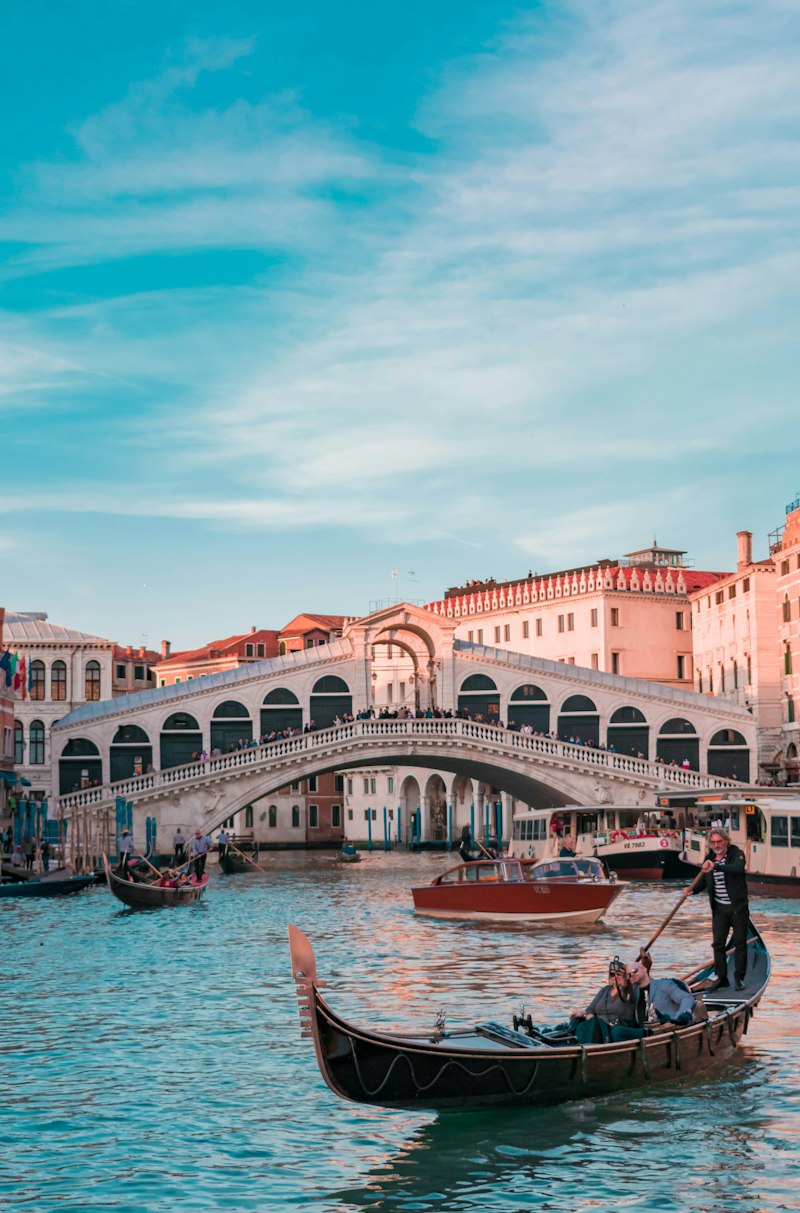
Venice's main tourist circuits are heavily defined — St. Mark's, the Doge's Palace, the Rialto bridge, Murano, Burano. On a second visit, returning to these with the same crowds and the same heat requires motivation that may have diminished. But the city itself is large enough and layered enough that a second visit can explore entirely different territories — neighborhoods that are quieter, food that's better, art that's more interesting, and a Venice that's actually inhabited.
The city has six sestieri (districts): San Marco, Cannaregio, Dorsoduro, San Polo, Santa Croce, and Castello. First-time visitors typically cover San Marco and part of San Polo. A second visit is an opportunity for Dorsoduro and Cannaregio, which are the city's most genuinely Venetian neighborhoods.
Is Dorsoduro the Best Second-Visit Venice Neighborhood?
Dorsoduro ("hard back" — named for its firmer foundations relative to other districts) is the university neighborhood of Venice, bounded by the Grand Canal to the north, the Giudecca canal to the south, and running from the cruise terminal area to the Punta della Dogana. It has the highest concentration of good cafes and wine bars in Venice, the Gallerie dell'Accademia (the definitive collection of Venetian painting), and the Zattere waterfront — a long, south-facing quay where Venetians sit in the sun and watch boats crossing to the Giudecca island.
Campo Santa Margherita is the social center of Dorsoduro — a large, irregular square with multiple bars, no tourist restaurants (genuinely), and the kind of lazy afternoon energy that makes you feel like a Venetian resident rather than a cruise visitor. Spritz at €3-4, cicchetti at the bars, and enough seating outside to stay as long as you like.
Gallerie dell'Accademia is the most important museum in Venice for Venetian Renaissance painting — Bellini, Giorgione, Titian, Veronese, Tintoretto, Canaletto. Entry is €12. Allow 90 minutes for a proper visit (gallerieaccademia.it).
Should You Spend Your Second Venice Day in Cannaregio?
The Ghetto of Venice is the original ghetto — the word "ghetto" comes from the Italian geto (foundry), and Venice's Jewish community was confined to this island in Cannaregio from 1516, the first legally mandated ghetto in European history. The Ghetto Nuovo (New Ghetto, ironically the older section) is an atmospheric campo surrounded by the tallest buildings in Venice — residential towers built up because the community couldn't expand outward.
The area has synagogues (the oldest continually used Jewish buildings in the world), a museum of Venetian Jewish history (€12 entry), and a community that still lives here. The campo itself is one of the most peaceful spaces in Venice. From the cruise terminal, it's about 30-40 minutes walk through Cannaregio, passing the excellent bacari (wine bars) along Fondamenta della Misericordia.
"The Ghetto campo on a quiet Tuesday morning — before the tour groups arrived — was one of the genuinely moving spaces we've been in anywhere in Europe. The height of the surrounding buildings, the memory encoded in the architecture, the fact that the community is still there. We sat on the edge of the well for 20 minutes without speaking."
Can You Build a Venice Day Around Cicchetti?
Cannaregio's Fondamenta della Misericordia and Fondamenta degli Ormesini (running parallel north of the Ghetto) have the best concentration of bacari for a cicchetti crawl in Venice — bars with small plates of cicheti at €1-2 each and wine by the glass for €1.50-3. The area is far enough from San Marco to have Venetian regulars rather than cruise tourists. A proper crawl through 3-4 bacari costs €10-15 per person and constitutes a full lunch in the most authentic Venetian food context available.
After the cicchetti crawl, the Rialto market area (30 minutes walk south) is worth passing through for the morning fish market, and several excellent bacari cluster near All'Arco and Cantina Do Mori for a final stop before heading back.
When Is Murano Worth Doing Properly?
If you've visited Murano before on a quick group tour, doing it independently on a second visit is a completely different experience. Take vaporetto line 4.1 from Piazzale Roma (30 minutes, €9.50 one-way or use a day pass). Murano has its own Grand Canal (Canal de Mezo), old churches (San Pietro Martire, with Bellini paintings; Santi Maria e Donato with its stunning Byzantine mosaic floor), and glass workshops that range from tourist-trap to genuine artisan. The Glass Museum (€10) has pieces from Roman times to contemporary art glass.
The key for a quality experience: visit the workshops that allow visitors to watch glassblowing (many do, free). The production process is extraordinary to watch — a gather of molten glass transformed in 10 minutes into a finished object by a master working without tools. Budget 2-3 hours on Murano.
Pro Tip
The Punta della Dogana (former customs house, now a contemporary art museum) at the tip of Dorsoduro has excellent art and one of Venice's great architectural positions — the triangular point between the Grand Canal and the Giudecca canal, directly across from San Marco. Entry is €15. Even without entering, the terrace view from outside the building is worth the 20-minute walk from Campo Santa Margherita.
| Activity | Cost | Time | Neighborhood |
|---|---|---|---|
| Dorsoduro neighborhood walk | Free | 2 hrs | Dorsoduro |
| Gallerie dell'Accademia | €12 | 1.5 hrs | Dorsoduro |
| Jewish Ghetto | Free (museum €12) | 45-60 min | Cannaregio |
| Cicchetti crawl | €10-15/person | 1.5 hrs | Cannaregio / Rialto |
| Murano island | €9.50 ferry (1-way) | 2-3 hrs | Lagoon island |
What is the Burano island experience and is it worth adding?
Burano (famous for its brightly painted fishermen's houses) is 45 minutes by vaporetto from Venice, north across the lagoon. It's beautiful and photogenic. On a second Venice visit with 8 hours, combining Murano and Burano in one day is tight but possible — vaporetto 12 connects the two islands in 7 minutes. Budget a full day if you want both islands without rushing. On a shorter port day, choose one or the other. Our Murano and Burano guide has full ferry schedules and timing.
Is the Peggy Guggenheim Collection worth visiting on a second trip?
Yes — it's one of the great 20th-century art collections (Picasso, Dalí, Pollock, Ernst, Kandinsky) in a waterfront palazzo in Dorsoduro. Entry is €18. Allow 90 minutes. It pairs naturally with a Dorsoduro day and is completely different from the Renaissance Venetian painting at the Accademia across the canal. Our Venice cruise port guide covers both museums with routing suggestions.
Which areas of Venice should I avoid on a second visit?
The streets between San Marco and the Rialto are perpetually congested with tourist traffic in peak season. If you're avoiding the San Marco experience, stay south of the Grand Canal (Dorsoduro) or north in Cannaregio to get a completely different Venice experience. The Castello sestiere (east of San Marco) also has genuinely local sections worth exploring if you have time.
| Second-Visit Area | Why Go | Pair It With |
|---|---|---|
| Dorsoduro | Art, quieter canals, Zattere walk | Accademia or Peggy Guggenheim |
| Cannaregio | Ghetto history and better food crawl | Rialto or railway-side return |
| Murano | Glass history beyond the sales demo | Fondamenta walk and museum stop |
Frequently Asked Questions
What should I see in Venice on a return visit beyond the main sights?
The Dorsoduro sestiere has the Gallerie dell'Accademia (world-class Venetian painting, €15 entry) and the Peggy Guggenheim Collection (modern art in a palazzo on the Grand Canal, €16). The Cannaregio neighbourhood gives the most authentic picture of daily Venetian life. The island of Torcello (30-minute vaporetto from Fondamenta Nove) has mosaics older than anything in Venice proper and is visited by almost no cruise passengers.
How do I avoid the worst cruise crowds in Venice?
The area immediately around St Mark's Square and the Rialto Bridge becomes impassable between 10 AM and 3 PM when multiple ships are in port. Head to these areas before 9 AM or after 4 PM. On a return visit, skip St Mark's Square entirely and spend the morning in Dorsoduro or Cannaregio — both are genuinely beautiful and see a fraction of the tourist traffic. The Vaporetto line 1 along the Grand Canal is far less crowded than central streets.
Is Murano glass worth buying on a return visit to Venice?
Only if you buy directly from a Murano factory showroom. Look for the "Vetro Artistico Murano" trademark on the tag — an officially certified authentic piece. Murano island is a 10-15 minute vaporetto ride from Fondamenta Nove (line 4.1 or 4.2, €9.50 ticket). Factory showroom prices are fair; glass in Venetian tourist shops often comes from cheaper overseas production. Budget €20-200 depending on the piece; small decorative items start around €15-20.
Know Venice Before You Arrive
Walking directions, GPS maps, real prices — everything in this article and more, organized for your port day.
Free with Kindle Unlimited
Read on Kindle, Apple Books & any e-reader
Free with Kindle Unlimited · try a free sample first